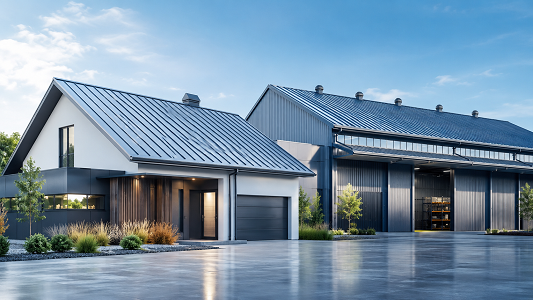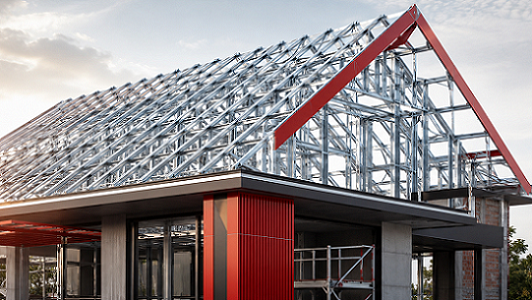





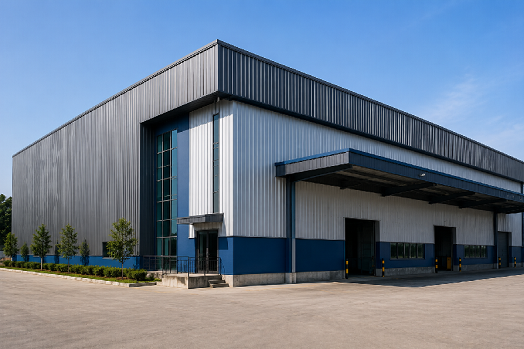
Industrial-style homes are known for their bold, simple, and functional appearance. Materials such as exposed concrete, steel, brick, and metal roofing are commonly used to create a modern yet sturdy character. However, despite their practical design, every building element still requires proper maintenance, especially the roof.
The roof serves as the main protection of a house against rain, sunlight, wind, dust, and changing weather conditions. Since it is located at the highest part of the building, roof conditions often go unnoticed until signs of damage appear, such as water leaks, ceiling stains, corrosion, or overflowing gutters.
In fact, roof leaks do not always begin with major damage. Problems can start from simple issues such as clogged gutters, loose screws, opened joints, or sealants that have lost their elasticity. If these minor problems are ignored, they can affect the ceiling, walls, insulation, and other interior components of the house.
Therefore, regular maintenance is essential for industrial home roofs. The goal is not only to prevent leaks but also to maintain the appearance and extend the service life of the roofing materials. Here are several important maintenance steps to consider.
Inspect the Roof Condition Regularly
Routine inspections are the most basic step in maintaining roof performance. Inspections should ideally be carried out before the rainy season, after the rainy season, and after extreme weather events such as heavy rain or strong winds.
During an inspection, pay attention to the condition of the roof surface, panel joints, screws, ridge caps, gutters, flashing, and areas around vents and pipes. Look for unusual changes such as dents, uneven surfaces, discoloration, or signs of corrosion.
Roof joints require extra attention because they are among the most vulnerable areas for water infiltration. Temperature changes can cause roofing materials to expand and contract. Over time, this movement may affect the tightness of fasteners and the condition of joint seals.
Inspections should also be performed from inside the house. After heavy rainfall, check the ceiling, upper walls, attic space, and the underside of the roof structure. Yellowish stains, musty odors, peeling paint, or mold growth can indicate early signs of leaks or condensation problems.
It is important to remember that a ceiling stain does not always appear directly below the actual leak source. Water can travel along roof frames or material surfaces before dripping into the room. Therefore, the source of the problem must be investigated thoroughly rather than simply covering the visible interior stain.
To make roof monitoring easier, document inspection results with photos. Simple records of the location and type of damage can help identify whether the same issue occurs again during future inspections.
Clean the Roof Surface and Drainage System
Leaves, branches, dust, and organic debris can accumulate on roof surfaces, especially in low-slope areas, near walls, behind chimneys, or around roof joints. These deposits can trap water and keep the roof surface damp for longer periods.
Continuous moisture exposure can increase the risk of damage to protective coatings and accelerate corrosion. Therefore, clean the roof surface regularly using methods that do not damage the roofing material.
Use a soft-bristle brush or low-pressure water spray. Avoid wire brushes, sharp objects, or abrasive tools because they can scratch the roof surface. Scratches that penetrate the protective coating may become starting points for corrosion.
Debris removed from the roof should be collected and disposed of properly rather than pushed directly into the gutters. Leaves and branches that enter the gutter system can block water flow and cause overflow during rainfall.
Besides the roof surface, gutters and drainage pipes must also be kept clean. Gutters function to collect rainwater and direct it toward drainage outlets. When blocked, water may accumulate, overflow onto fascia boards, seep into walls, or enter through roof joints.
After cleaning the gutters, run water through the system to ensure proper drainage. Observe whether water flows smoothly toward the outlet or remains trapped in certain areas.
Standing water can indicate that the gutter slope has changed or that certain sections have dropped. This condition should be repaired immediately because prolonged water accumulation can accelerate damage to joints and roofing surfaces.
Tree branches located too close to the roof should also be trimmed. Besides producing excessive leaves, branches that rub against the roof surface can cause scratches. During strong winds, larger branches may even strike and damage roof panels.
Pay Attention to Screws, Joints, and Sealants
For metal roofs with exposed screw systems, the condition of fasteners should be inspected regularly. Loose, tilted, rusted, or lifted screws can create gaps that allow rainwater to enter.
Also check the condition of the washers located beneath the screw heads. Washers help seal the fastening holes and prevent water penetration. Over time, washers may become hardened, cracked, or deformed due to continuous exposure to weather conditions.
Loose screws should be repaired, but avoid tightening them excessively. Excessive pressure can damage the washer and cause deformation of the roof sheets. If fasteners need to be replaced, use the correct type and size according to the roofing system.
In addition to screws, inspect panel joints, ridge caps, valleys, flashing, and areas around pipes, vents, antennas, and skylights. These areas typically rely on sealing systems or sealants to prevent water infiltration.
A properly functioning sealant should remain attached and maintain sufficient flexibility. If it appears cracked, peeling, hardened, or detached from the surface, the affected area should be repaired.
Do not simply apply new sealant over old and damaged layers. The surface must be cleaned and dried first to ensure proper adhesion. The sealant used should also be suitable for outdoor applications and compatible with metal roofing materials.
Using unsuitable materials can cause joints to fail again within a short period. In some cases, incompatible materials may also affect the protective coating of the roof.
If additional components such as solar panels, antennas, or utility lines are installed, make sure their installation does not create exposed openings. Every roof penetration must be properly protected with suitable flashing and sealing systems.
Address Scratches, Corrosion, and Standing Water Early
Scratches may occur due to installation processes, maintenance activities, tree branches, or improper use of tools. Minor scratches may not immediately cause problems, but areas where the protective coating has been damaged require attention.
Check for signs such as reddish stains, discoloration, powdery residue, or peeling surfaces. These signs may indicate corrosion or contamination from metal debris.
Metal particles from cutting and drilling activities should never be left on the roof surface. These particles can rust and leave stains, even when the main roofing material remains in good condition.
Treatment for scratched or corroded areas should be adjusted according to the type of surface coating. Avoid immediately scrubbing the affected area with wire brushes or abrasive tools, as this may enlarge the damaged area.
Besides corrosion, standing water should also be addressed immediately. A properly designed roof and gutter system should allow rainwater to flow smoothly. If water remains in one area after rainfall stops, possible causes may include deformed panels, blocked drainage paths, or incorrect roof slopes.
Do not create additional holes simply to drain standing water without proper technical consideration. This approach may instead create new leakage points.
Recurring standing water problems should be inspected by professionals who understand roofing construction. Repairs should focus on identifying and fixing the actual cause rather than simply removing visible water from the surface.
Maintain Safety During Roof Maintenance
A roof is not a safe working area for people who are unfamiliar with working at height. Roof surfaces can become slippery, especially after rainfall or when covered with dust and moss.
Not every part of a roof is designed to support direct weight. Stepping on the wrong area can cause roof panels to dent, joints to shift, or surface coatings to become scratched.
If accessing the roof is necessary, use a stable ladder, clean footwear with proper grip, and suitable safety equipment. Foot placement should be limited to areas supported by the underlying structure.
Avoid climbing onto the roof during rain, strong winds, or when the surface is still wet. Work on high, steep, or difficult-to-access areas should be handled by experienced professionals.
For simple inspections, many areas can still be monitored from below or from a safe position. Pay attention to the following warning signs:
- Gutters overflowing or water not flowing properly.
- Screws appearing lifted or misaligned.
- Roof panels showing deformation.
- Ceiling stains appearing after rainfall.
- Changes in surface color or signs of corrosion.
Never force yourself to inspect the roof directly if conditions are unsafe. Safety should always remain the top priority during any maintenance activity.
Prevent Moisture Problems from Inside the House
Not all moisture signs on ceilings are caused by rainwater leaks. Water vapor from bathrooms, kitchens, and daily household activities can rise into the roof space and condense on cooler surfaces.
Continuous condensation can dampen insulation, encourage mold growth, and create stains on ceilings. These symptoms can often look similar to roof leaks.
Ensure that the attic or roof space has adequate ventilation. Exhaust ducts from bathrooms and kitchens should lead outside the building rather than ending inside the attic area.
Also inspect the condition of insulation. Wet insulation not only loses its effectiveness but can also retain moisture for extended periods. If damp areas are found, first determine whether the cause is a roof leak, condensation, or insufficient ventilation.
Use Suitable Repair Materials
When replacing components, use materials that are compatible with the existing roofing system. Screws, washers, flashing, gutters, and sealants should not be selected only based on appearance or price.
Incompatible material combinations can accelerate corrosion or prevent joints from functioning properly. If the roof specifications are unknown, check project documentation or product information before carrying out repairs.
Roof maintenance becomes more effective when performed according to a planned schedule. Record inspection dates, problems identified, and components that have been repaired or replaced. These records can help identify recurring issues.
With regular inspections, proper cleaning, and early problem prevention, industrial home roofs can maintain their function and appearance for many years. Simple actions such as cleaning gutters or replacing damaged washers can help prevent larger and more expensive repairs.
Industrial Building Material Solutions from FUMIRA
In addition to regular maintenance, selecting the right materials from the beginning plays an important role in determining the durability and appearance of a building. For metal roofing, commercial buildings, and industrial projects, Premium Galvanized Steel Roofing, Walling & Ceiling from FUMIRA provides reliable solutions.
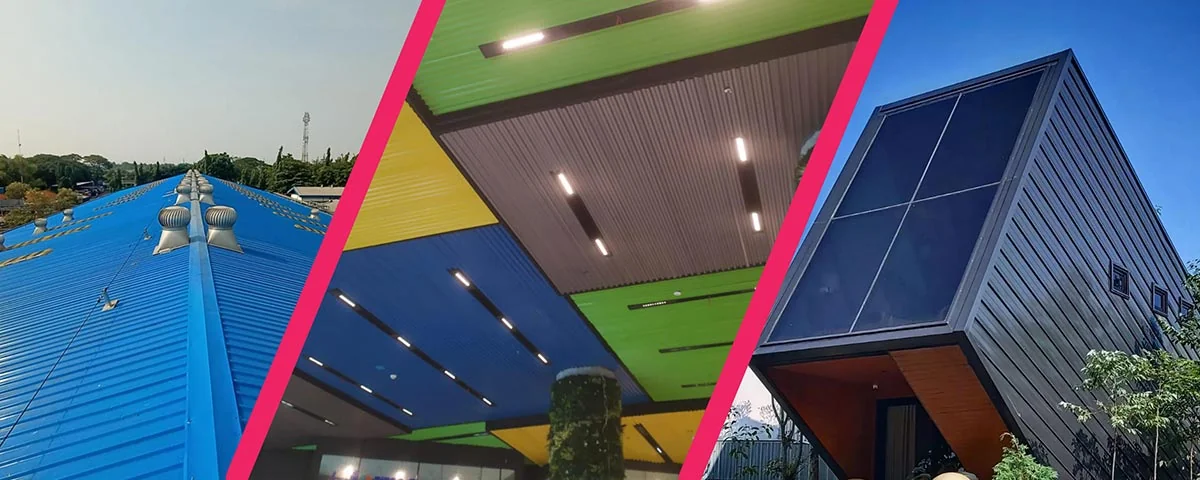
FUMIRA metal roofing products use a 100% zinc coating, rather than an aluminium mixture. Available installation systems include bolt systems, boltless systems, and hidden screw systems, which can be customized according to building design and project requirements.
FUMIRA also provides various coating options for roofing, walling, and ceiling applications, including COLOR COAT®, COLOR FRESH®, and COLOR GRIP®. Product selection and coating types can be adjusted according to aesthetic preferences and environmental conditions.
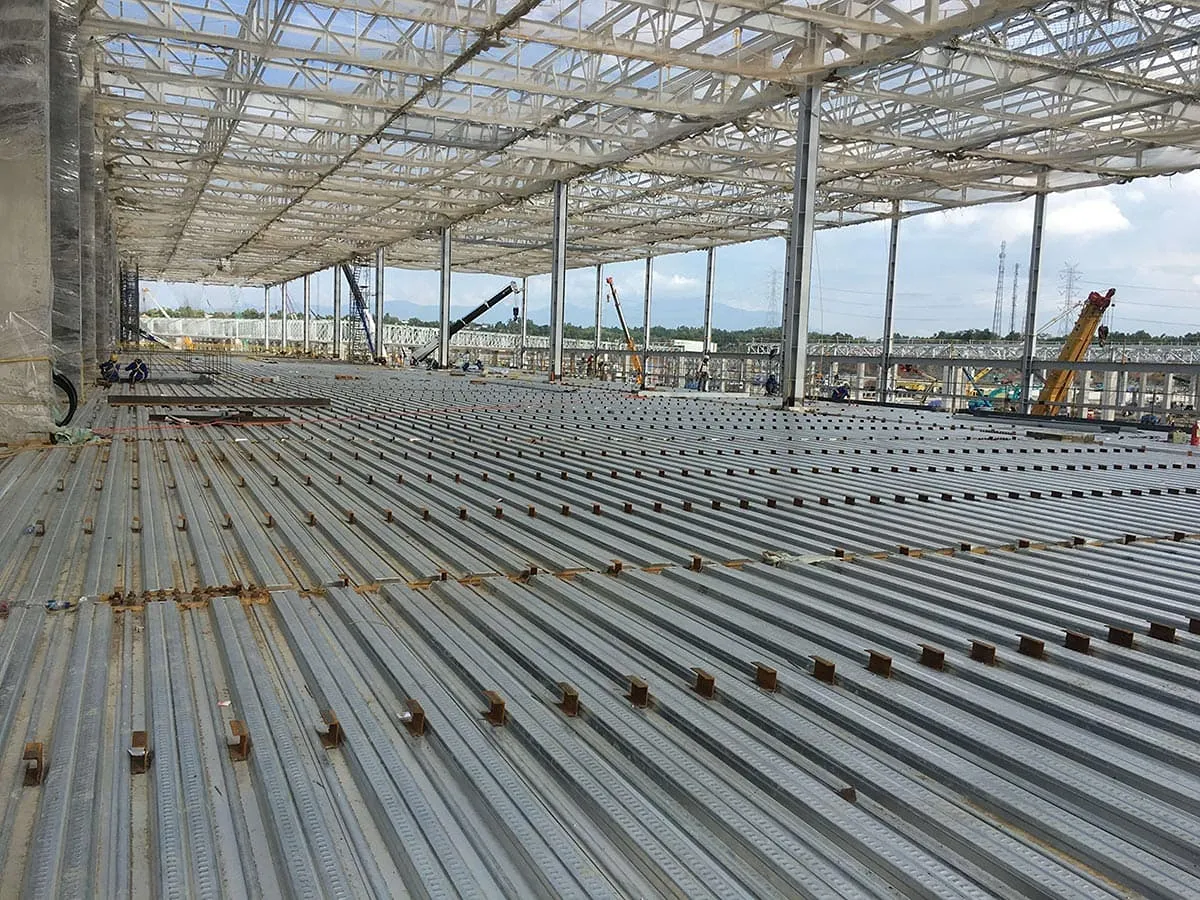
For industrial flooring applications, FUMIRA offers Compodeck® FUMIRA, a galvanized steel floor deck sheet designed to function as permanent formwork in composite floor systems. Compodeck® is available in effective widths of 680 mm and 1,000 mm.
Complete information regarding product options, dimensions, and specifications is available at:
/
For further information and consultation, contact us via WhatsApp.