



The roof is one of the most important parts of a building. Its function is not only to protect occupants from heat and rain but also to maintain the overall structural stability of the house. Therefore, selecting materials and installing the roof must be done very carefully.
In recent years, the use of light steel roofing has become increasingly popular in Indonesia. This material is known for its high strength while being relatively lightweight, so it does not burden the building structure. In addition, light steel is resistant to termites and has better corrosion resistance compared to wooden frames.
However, despite its many advantages, the installation of light steel roofing must still be done correctly. Small mistakes during installation can lead to various problems such as unstable roof structures, leaks, and even long-term structural damage.
This article discusses various fatal mistakes that must be avoided when installing light steel roofing, while also highlighting the importance of using quality materials such as the FumiraTruss light steel roof system.
Understanding Light Steel Roofing Systems
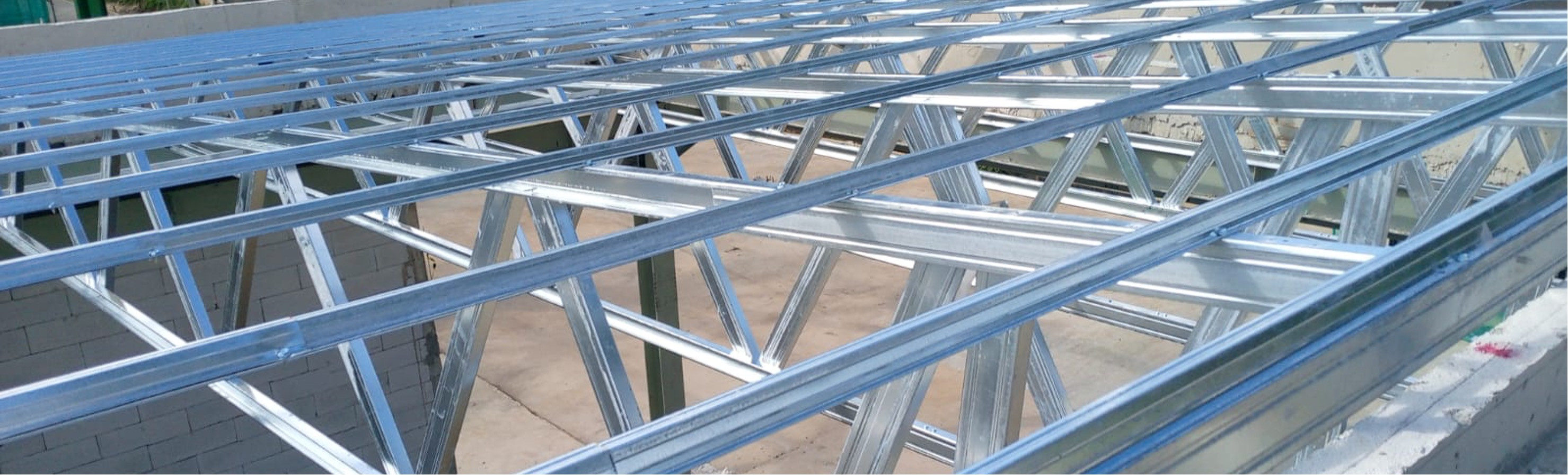
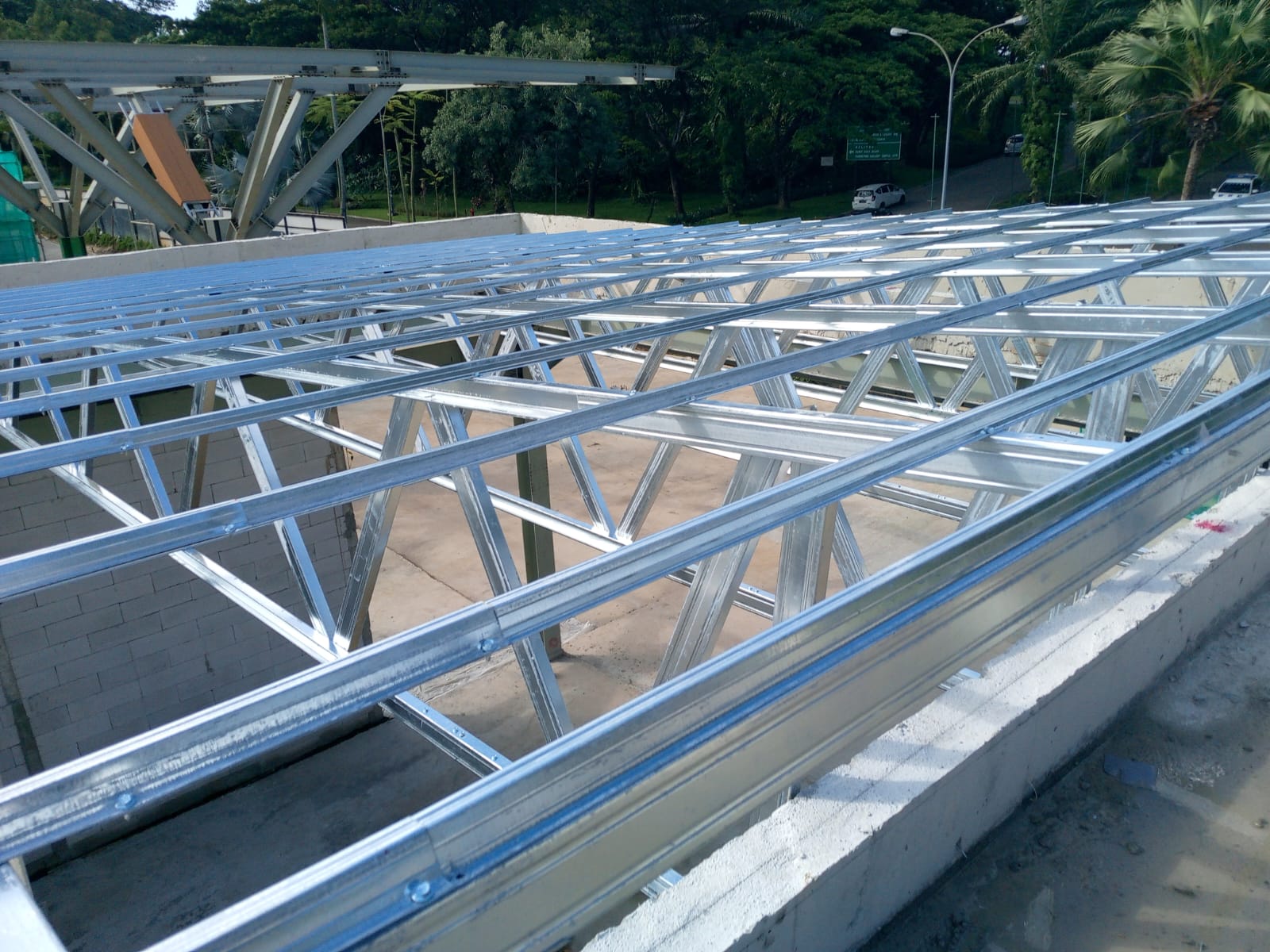
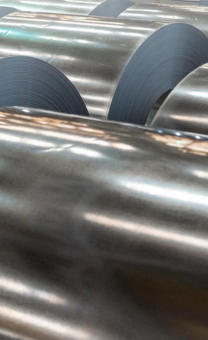
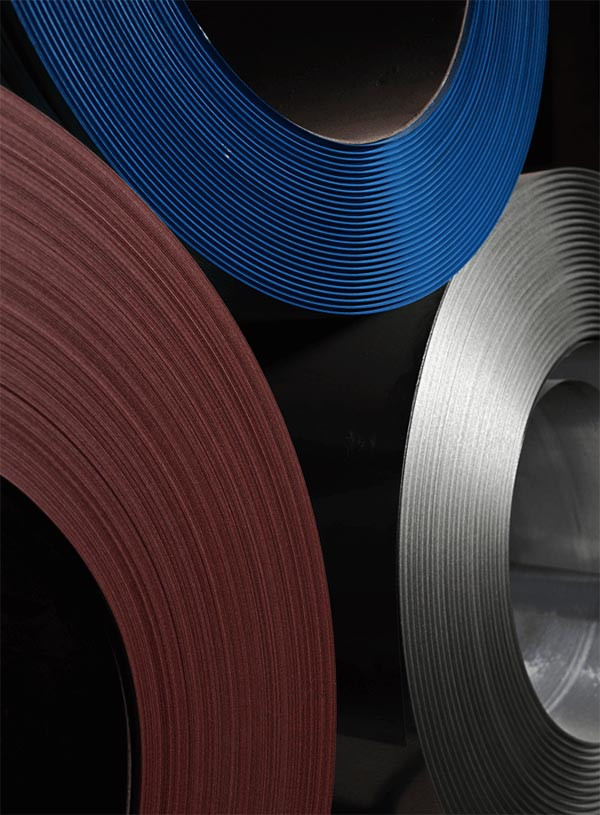
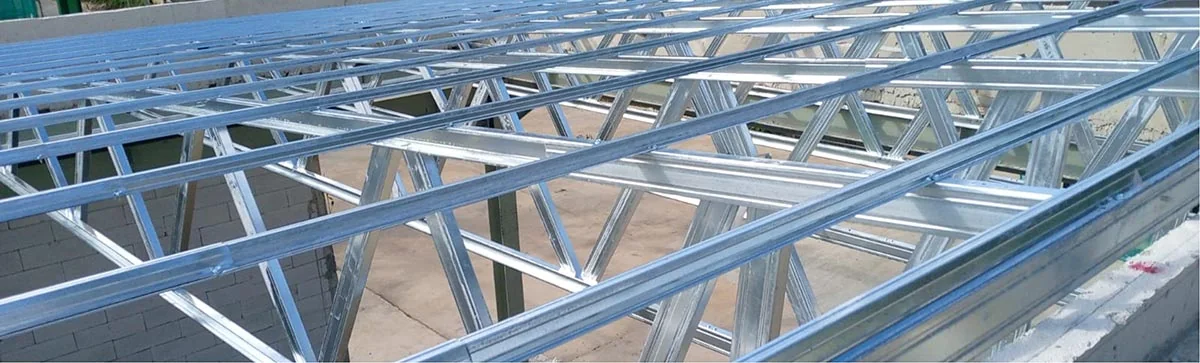
Light steel roofing is a roof frame system that uses high-strength steel material with a lightweight structure. This steel is usually coated with galvanised or galvalume layers to protect it from rust and corrosion.
The main advantage of light steel roof framing is its ability to withstand loads effectively despite being much lighter than conventional materials such as wood or heavy steel.
Some of its advantages include:
- termite resistance and durability
- lightweight, reducing structural load
- high precision due to modern manufacturing
- relatively faster installation process
One system used in construction is FUMIRATRUSS, designed to provide optimal structural strength and installation efficiency.
However, these advantages must still be supported by proper installation to ensure maximum performance.
Fatal Mistakes When Installing Light Steel Roofing
Here are some common mistakes that must be avoided to ensure safety and durability:
1. Choosing the Wrong Material
A common mistake is selecting light steel materials without considering quality. Many people focus only on low prices without checking specifications.
Poor-quality steel can cause bending, instability, or even structural failure under load. Good light steel should have:
- high-strength composition
- proper galvanised coating
- consistent dimensional precision
Using systems like FUMIRATRUSS helps ensure better structural performance.
2. Incorrect Structural Calculations
Failing to calculate the structure properly before installation is another frequent mistake. Each roof design has unique characteristics and requires accurate calculations, including:
- spacing between trusses
- type of roof covering
- span width
- roof slope
Without proper calculations, load distribution becomes uneven, leading to long-term deformation or damage.
3. Truss Spacing Too Wide
To save materials, some installations use overly wide truss spacing. This weakens the structure because loads cannot be evenly distributed.
As a result, the roof may sag or deform over time and become more vulnerable to wind pressure.
4. Using Incorrect Screws
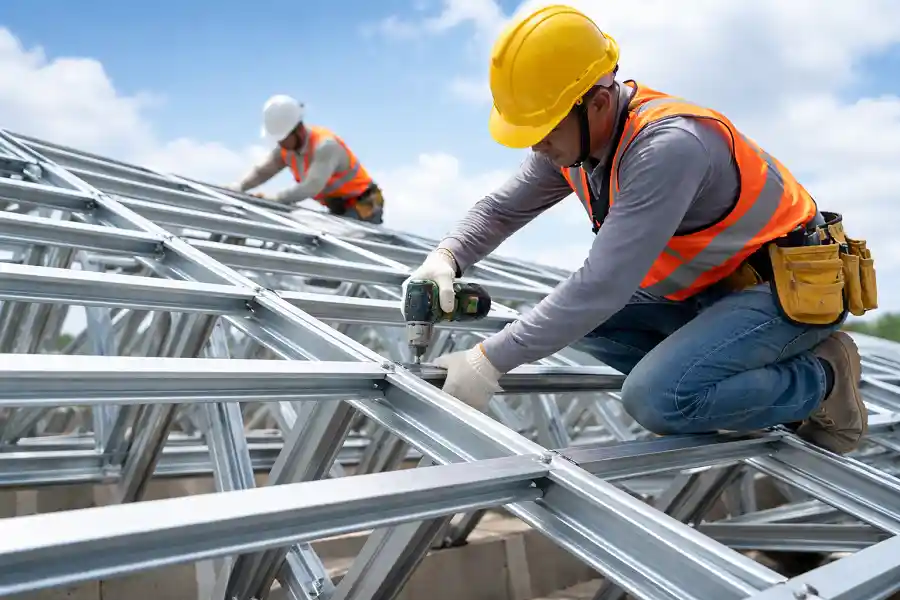
Connections in light steel roofing rely on special screws. Using incorrect screws—such as standard screws, too short screws, or low-quality products—can weaken joints.
This may cause movement in the structure or noise during strong winds.
5. Improper Roof Slope
Roof slope is often overlooked. If the slope is too shallow, rainwater cannot drain properly, causing pooling, leaks, and faster material deterioration.
Each roofing material has a minimum slope requirement that must be followed.
6. Installation Without Professionals
Although it may seem simple, installing light steel roofing requires expertise. It involves technical steps such as reading design drawings and assembling structural connections.
Without experienced professionals, errors are more likely, leading to future problems.
7. No Post-Installation Inspection
Another common mistake is skipping inspection after installation. Many proceed directly to installing roof coverings without checking the structure.
Inspection ensures:
- no loose connections
- proper alignment and precision
Importance of Choosing Quality Materials
Mistakes in installation can be avoided with proper planning and quality materials. High-quality light steel ensures optimal strength and long-term durability.
FUMIRATRUSS is one system designed to provide structural stability and construction efficiency.
High-standard materials offer long-term benefits, including better resistance to environmental conditions and longer service life.
Conclusion
Installing light steel roofing requires serious attention to ensure safety and durability. Mistakes such as poor material selection, incorrect calculations, and improper components can significantly affect structural strength.
Therefore, it is important to ensure proper planning and the use of quality materials.
FUMIRA is one of the largest galvanised steel sheet producers in Indonesia. Established in 1970, its name comes from the initials of its founding shareholders: Fuji Steel (later merged into Nippon Steel Corp.), Mitsui Co. Ltd., and Ragam Logam (part of the Argo Manunggal Group).
With extensive experience in the steel industry, FUMIRA continues to provide high-quality steel products that support modern construction needs in Indonesia.
For more information about FUMIRATRUSS and other products, you can visit here.