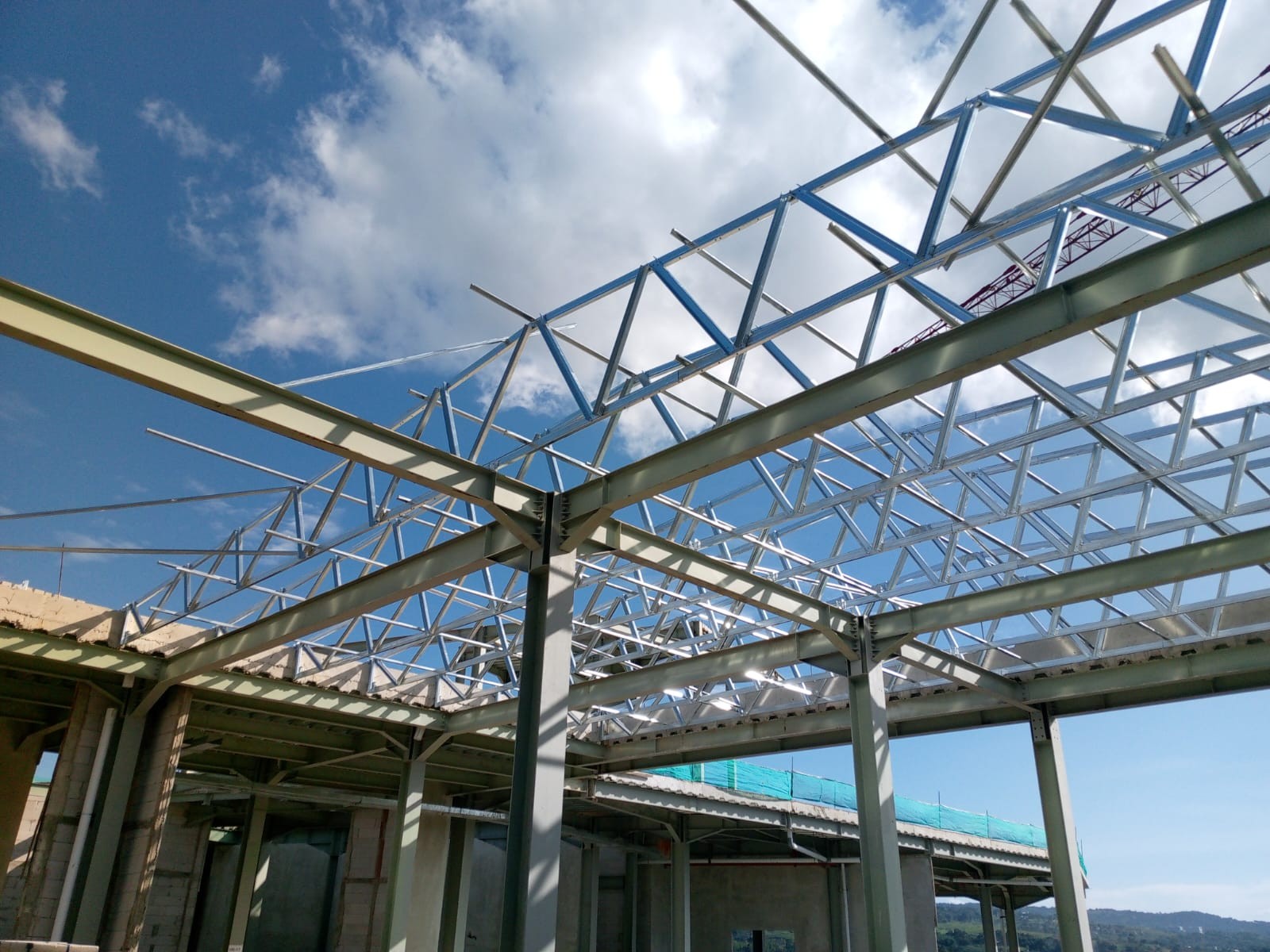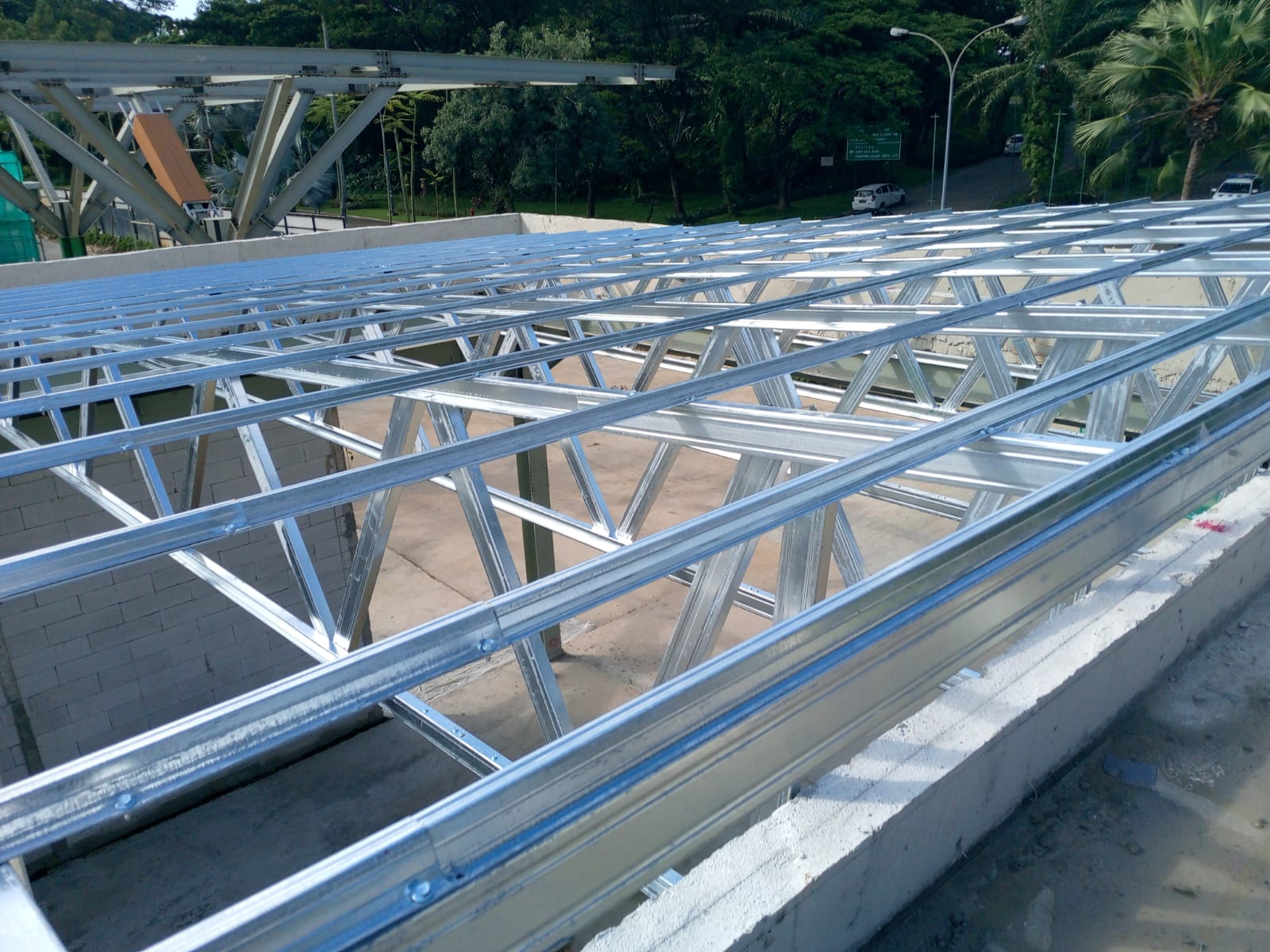
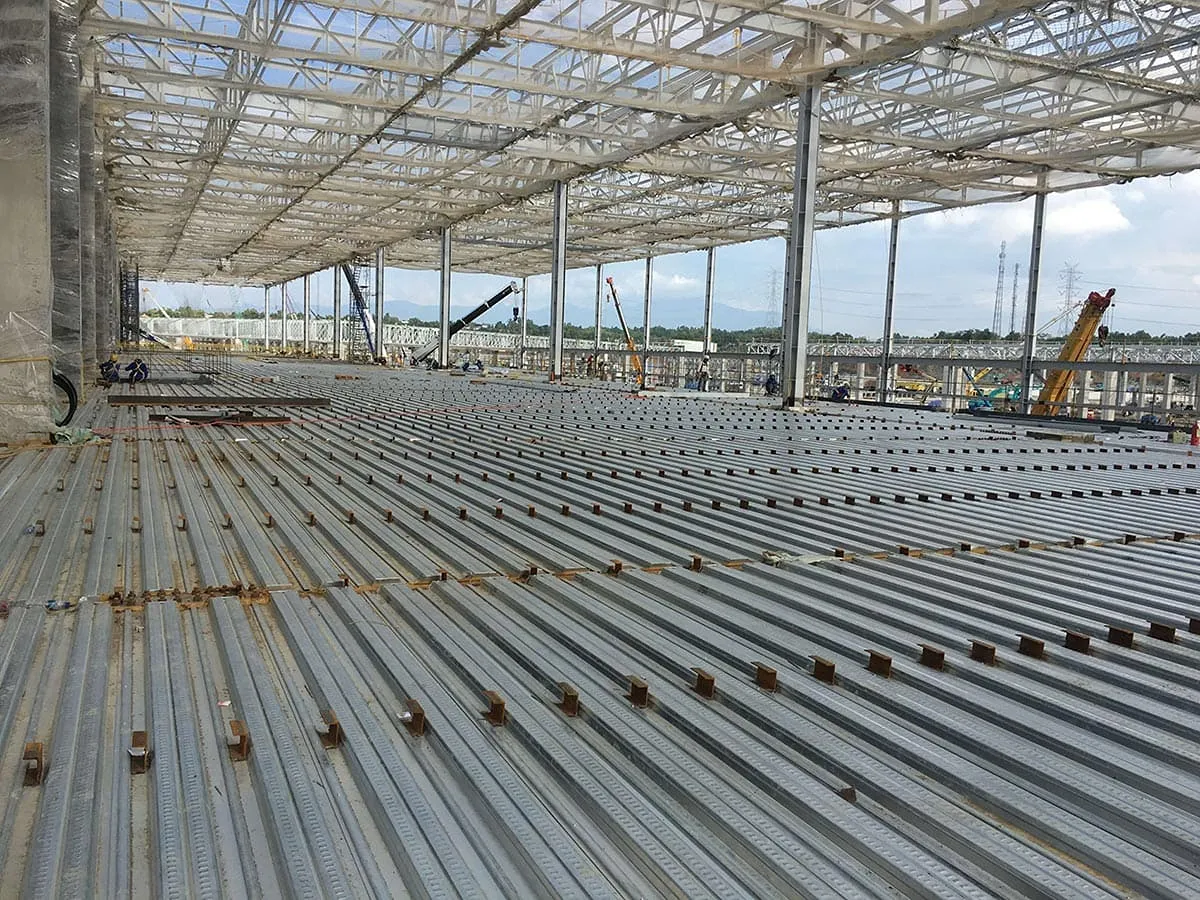
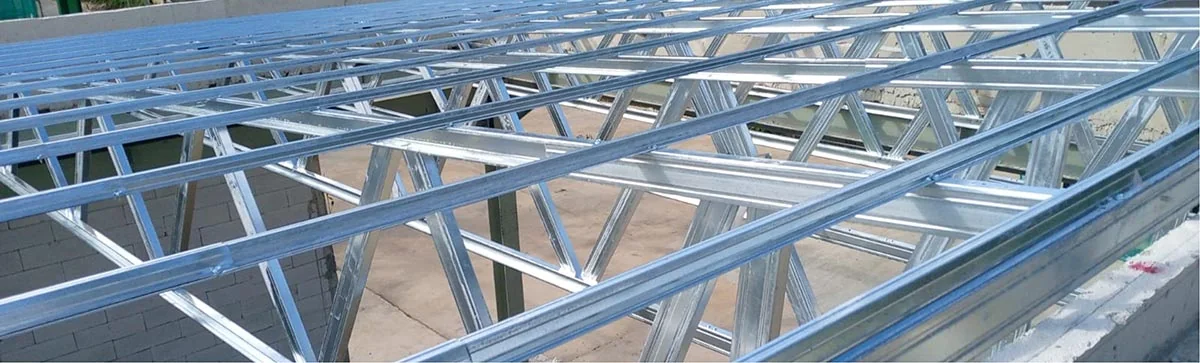




Roof structures are essential components of a building because they support the roof covering while transferring loads to other structural elements. In modern construction, steel is widely used for roof structures due to its high strength, relatively precise dimensions, and versatility across various building types, including residential houses, warehouses, factories, commercial facilities, and buildings requiring large structural spans.
One equally important aspect of steel roof construction is the connection method. Among the various methods available, bolted connection systems are commonly used in steel roof structures because they offer several advantages in terms of construction, flexibility, and ease of assembly.
The quality of a bolted connection does not depend solely on the bolts themselves. Structural planning, hole dimensions and positioning, bolt types, tightening methods, and compatibility between components also influence the overall performance of the structure.
Understanding the characteristics of bolted connection systems is essential to ensure that this connection method is properly implemented according to the requirements of steel roof structures.
What Is a Bolted Connection System in Steel Roof Structures?
A bolted connection system is a method of joining steel structural components using bolts, nuts, and, when necessary, washers or other supporting components. Steel elements are fabricated and drilled according to structural drawings and specifications before being assembled at the construction site by connecting designated points with bolts.
In roof structures, bolted connections can be found in various locations depending on the construction design. Examples include connections between framing elements, joints within specific structural members, connections between roof frames and supporting components, and other structural points designed to use mechanical fastening.
Unlike connections that rely on on-site welding, bolted connection systems allow several components to be prepared in advance during fabrication. Once delivered to the project site, these components can be positioned and connected according to the structural design.
Therefore, precision during the design and fabrication stages is particularly important. Bolt hole positions must align correctly, component dimensions must be accurate, and bolt specifications must comply with structural design and load requirements.
The Role of Connection Systems in Steel Roof Structures
Roof structures are subjected to various types of loads. In addition to the weight of the structure itself and the roofing materials, they may also experience loads caused by wind, rain, maintenance activities, certain equipment, and other factors depending on the building's function and location.
Connections play an essential role in transferring forces from one steel element to another. Therefore, they should not be regarded merely as supplementary components.
Selecting the appropriate connection system requires consideration of several factors, including:
-
Structural design and configuration
-
Types and magnitudes of loads
-
Dimensions and profiles of steel components
-
Environmental conditions surrounding the building
-
Fabrication and erection methods
-
Construction requirements
-
Technical standards applied during structural design
In practice, no single connection method is automatically the best option for every project. However, bolted connection systems offer several characteristics that make them attractive for many steel structure applications.
Advantages of Bolted Connection Systems in Steel Roof Structures
1. More Practical On-Site Assembly
One of the primary advantages of bolted connection systems is their relatively practical assembly process when all structural components have been properly fabricated.
Connection holes and structural components can be prepared beforehand based on shop drawings. At the construction site, the elements are positioned, and bolts are installed according to the predetermined erection sequence.
This method can help reduce the need for more complex connection work on-site, particularly when the structural design has been optimized for prefabrication and modular assembly.
However, practical installation does not mean the process can be performed without proper procedures. Bolt types, diameters, quantities, hole positions, and tightening methods must still comply with the project's technical specifications.
2. Supports Precision in Fabrication
Advancements in steel fabrication equipment allow cutting and drilling processes to be performed with high levels of accuracy.
In bolted connection systems, this precision provides significant benefits because each connection point is established during the design stage. When component dimensions and hole positions match the drawings, alignment between structural elements during assembly becomes more systematic.
This is why fabrication quality plays a crucial role in steel structures that use bolted connections. Misaligned bolt holes or inaccurate component dimensions can complicate installation and potentially require adjustments that could otherwise have been avoided.
3. Helps Improve Efficiency During Erection
Bolted connection systems can support efficient erection processes because most preparatory work is completed during fabrication.
Once the components arrive at the project site, the construction team can focus on lifting, aligning, installing, and tightening connections according to the planned work sequence.
For projects involving numerous repetitive components or modular structural systems, this method can provide considerable efficiency benefits.
However, actual installation speed depends on several factors, including project scale, structural complexity, workforce availability, equipment, site conditions, logistics, weather, and fabrication quality.
4. Reduces Dependence on On-Site Welding
Bolted connection systems can reduce the need for welding at on-site connection points specifically designed to use bolts.
On-site welding may require specialized equipment, skilled workers, suitable working access, environmental controls, and specific safety procedures. With bolted connection systems, certain joints can be completed mechanically using bolts according to the approved design.
This provides greater flexibility when determining the most appropriate construction method for a particular project.
It is important to understand that bolted and welded connections are not necessarily complete substitutes for one another. A single structure may incorporate both methods in different locations, depending on the structural engineer's design decisions.
5. Supports Modular Construction Systems
Structures using bolted connection systems can be designed as separate segments or modules that are fabricated in advance and subsequently assembled at the construction site.
This modular approach offers several advantages, particularly in transportation and component management.
Large structural elements can be divided into manageable sections for production and transportation before being connected at the construction site.
This concept is widely applied in steel construction because it gives designers and contractors greater flexibility when planning fabrication, delivery, and erection processes.
6. Allows Easier Disassembly of Certain Connections
Unlike permanent connections that may be difficult to separate without cutting the material, certain bolted connections can be disassembled by removing the bolts.
This advantage can be useful for structures originally designed to accommodate modifications, dismantling, or replacement of specific components.
However, this does not mean that every steel roof structure using bolted connections can be freely dismantled and reassembled.
Factors such as bolt condition, hole condition, material deformation, corrosion, changes in building function, and structural design must still be evaluated before components are reused.
7. Makes Connection Points Easier to Identify
Bolted connection points are generally physically visible, making their positions and configurations easier to identify.
This can support construction documentation and structural maintenance activities. The number of bolts and their connection locations can also be compared with the approved shop drawings by authorized project personnel.
Nevertheless, inspecting the quality of steel structural connections remains a technical task that must be performed by competent personnel according to established procedures and project requirements.
8. Flexible for Various Steel Roof Structure Applications
Bolted connection systems can be applied to numerous steel construction configurations, including industrial buildings, warehouses, workshops, commercial facilities, and other building types.
This flexibility is one reason mechanical connection systems remain widely used in modern steel construction.
However, connection details may vary between projects. For example, a large-span warehouse roof structure may have different connection requirements from those of a smaller commercial building.
Therefore, connection specifications must always follow the calculations and designs prepared by qualified structural engineers.
Important Factors to Consider When Using Bolted Connection Systems
Although bolted connection systems offer numerous advantages, their application requires proper planning. Several important factors should be considered.
Selecting the Appropriate Bolt Type and Size
Not all bolts are suitable for structural applications. Bolt specifications must comply with structural design requirements, including diameter, material strength, bolt quantity, and connection characteristics.
Replacing a specified bolt with another simply because its dimensions appear similar is not appropriate when their mechanical properties differ.
Bolt Hole Position and Dimensions
Bolt holes are integral parts of connection design. Their diameters, spacing, edge distances, and overall configurations must comply with structural drawings and calculations.
Creating holes without proper planning can alter connection behavior and potentially reduce the effective cross-sectional area of a structural element.
Bolt Tightening Methods
Bolt tightening procedures must follow the requirements of the connection type and the established specifications.
Certain connections may require different tightening procedures from others. Therefore, on-site workers must follow project procedures rather than tightening bolts based solely on estimation.
Corrosion Protection
Steel structures require appropriate consideration of corrosion risks, particularly when installed in environments with high humidity or specific atmospheric conditions.
Corrosion protection is important not only for primary structural elements but also for connection areas.
Material selection and protective coating systems should be based on environmental conditions and the intended service life of the structure.
Compliance with Structural Drawings and Calculations
The advantages of bolted connection systems can only be fully realized when design, fabrication, and installation processes follow the approved plans.
Changes to bolt quantities, hole dimensions, connection locations, or other structural details should not be made without approval from the professionals responsible for the structural design.
Bolted Connection Systems and Steel Roof Construction Efficiency
One reason steel structures are widely used in modern construction is their potential to systematically integrate design, fabrication, transportation, and erection processes.
Bolted connection systems support this approach.
With comprehensive planning, numerous components can be prepared at fabrication facilities. Completing these processes in advance helps reduce on-site modifications while allowing erection activities to follow a more organized sequence.
Efficiency does not simply mean choosing the fastest installation method.
In construction, efficiency also includes accurate material utilization, logistical convenience, component consistency, reduced rework, and the ability to maintain quality according to project specifications.
Therefore, the use of bolted connections should be incorporated into structural planning from the beginning rather than being decided only after components have arrived at the construction site.
Suitability of Bolted Connection Systems for Different Roof Structure Requirements
The application of bolted connection systems should be adapted to the characteristics and requirements of each project.
Bolted connections may serve as the primary connection method in one structure, while another structure may use them in combination with welded connections.
Several aspects should be considered, including structural load magnitudes, roof framing configurations, fabrication processes, transportation methods, erection accessibility, building environmental conditions, and the possibility of future structural modifications.
The technical standards and specifications applied to the project also play an important role in determining connection details.
Therefore, selecting a bolted connection system should be part of a comprehensive structural design process.
Connection details, bolt quantities, bolt sizes, connection arrangements, and installation methods must follow calculations and designs prepared by qualified engineering professionals.
The Relationship Between Steel Roof Structures and Roofing Material Selection
In addition to roof framing and connections, selecting the appropriate roof covering is another essential part of a building's roofing system.
Roofing materials should ideally be selected according to project requirements, including profile, dimensions, resistance to environmental conditions, weight, architectural design, and compatibility with the supporting structural system.
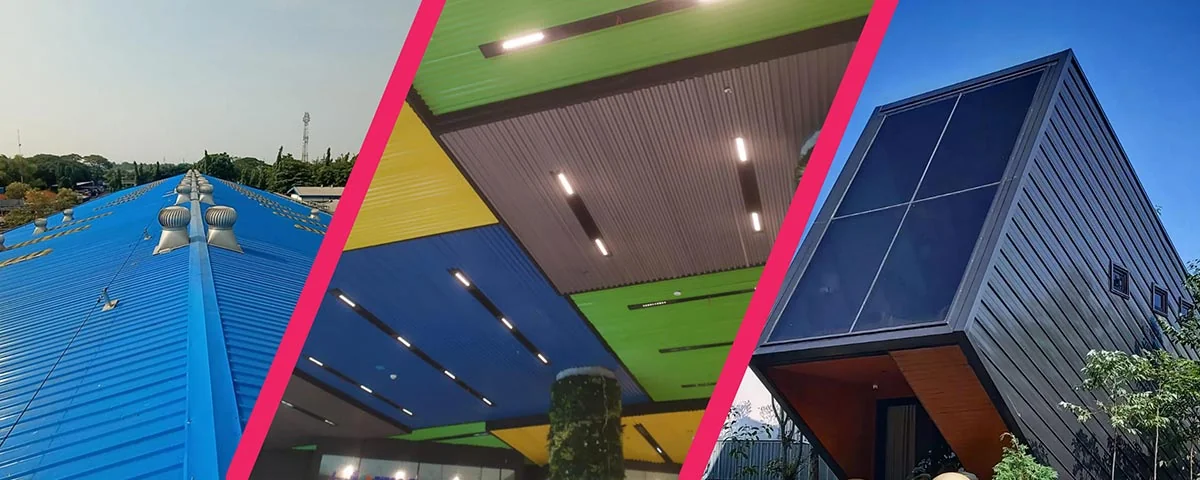
In industrial and commercial buildings, metal roofing is commonly used because it can support construction requirements that prioritize efficiency and durability.
To achieve optimal results, roofing material specifications should be determined during the planning stage.
This allows them to be coordinated with supporting member spacing, roof pitch, fastening systems, drainage requirements, and the building's environmental conditions.
The Importance of Comprehensive Planning in Steel Roof Structures
The successful implementation of bolted connection systems in steel roof structures does not depend solely on bolt quality or connection procedures.
All structural components must be planned as an integrated system.
Roof framing design, steel profiles, connection details, roof coverings, and environmental conditions should be considered from the beginning.
This approach helps ensure that each component performs its intended function.
Thorough planning can also minimize the need for modifications during construction.
In structures containing numerous bolted connections, the accuracy of shop drawings and fabrication becomes increasingly important because each component must align with predetermined connection points.
Therefore, bolted connection systems can provide optimal benefits when implemented through well-coordinated design, fabrication, and construction processes.
Conclusion
Bolted connection systems in steel roof structures offer numerous advantages, ranging from practical assembly processes and support for precision fabrication to easier implementation of modular construction and potential improvements in erection efficiency.
These systems can also reduce the need for on-site welding at connection points specifically designed for bolting while providing flexibility for various types of steel construction.
Nevertheless, the quality of a structure is not determined by its connection method alone.
Proper structural planning, the use of materials that meet specifications, fabrication quality, bolt hole details, fastener types, tightening procedures, and construction practices are all interconnected factors.
In addition to framing and connection systems, selecting high-quality steel and roofing materials is equally important for supporting long-term construction requirements.
Choose Quality Steel Products from FUMIRA
For steel material requirements, FUMIRA is one of Indonesia's largest galvanized steel sheet manufacturers and has been operating since 1970.
With extensive experience in the Indonesian steel industry, FUMIRA provides a variety of products to support construction and industrial applications.
For metal roofing applications, FUMIRA products feature a 100% zinc coating, making them an option worth considering for various building requirements.
Choosing the right steel products is an important step toward planning a strong, functional building that meets specific project requirements.
To learn more about FUMIRA's product options, material specifications, and steel solutions suited to your project, please contact the FUMIRA team via WhatsApp for further information and consultation.