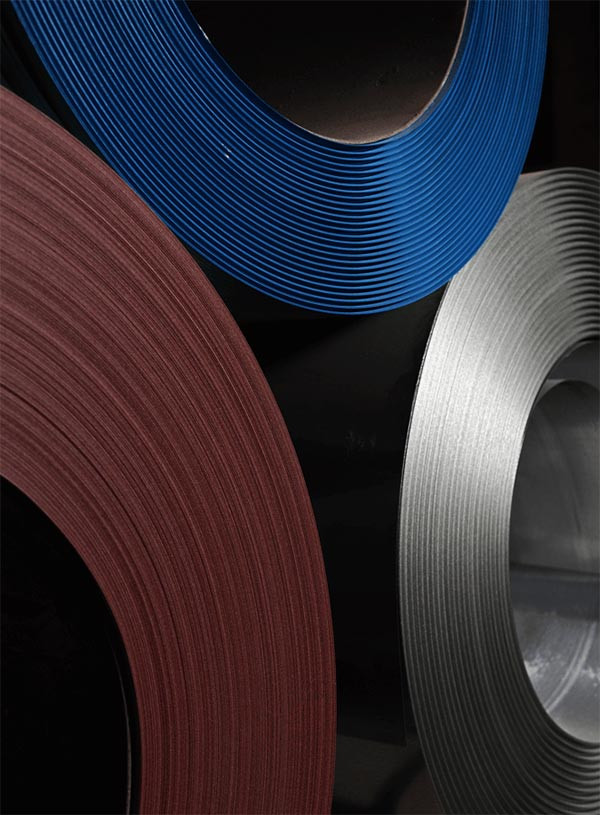




Galvanized sheet is widely used in various construction, manufacturing, automotive, and industrial applications because it combines the strength of steel with surface protection provided by a zinc coating. This material can be used for a wide range of applications, including building components, ducting, panels, casings, fabricated products, and other industrial needs.
However, choosing galvanized sheet is not simply a matter of considering sheet dimensions or material price. One of the most important specifications to consider is galvanized sheet thickness. Thickness affects stiffness, weight, load-bearing capability, forming processes, and the efficiency of material use in a project.
Choosing the wrong thickness can cause various problems. Sheet that is too thin may be easily deformed or may not provide the required performance. On the other hand, using material that is too thick can increase project weight and cost without providing proportional technical benefits.
Therefore, thickness selection should be based on the actual requirements of the project. The following factors can be considered before determining the galvanized sheet specifications to be used.
Start with the Material’s Function in the Project
The first thing to understand is the function of the galvanized sheet. The requirements for a protective component are certainly different from those for a material that must withstand pressure, impact, or certain loads.
For components that mainly function as covers, material with a relatively light thickness may already be sufficient. In contrast, applications requiring greater stiffness will usually require different specifications.
For example, sheet requirements for enclosures, ducting, construction parts, automotive components, or industrial fabrication cannot be treated in the same way. Each application has different usage characteristics, production processes, and working loads.
Before selecting the material, it is important to determine whether the sheet will function as a main component, lining, cover, decorative element, or part of a system that carries loads. From this, the required thickness can be estimated more accurately.
Thickness Must Be Adjusted to the Load
Sheet thickness is closely related to the material’s ability to maintain its shape when subjected to loads. In general, thicker sheet will have greater stiffness than thinner sheet made from the same material and under the same conditions.
However, thickness is not the only factor that determines performance. The ability of a steel sheet to withstand loads is also influenced by the steel grade, profile shape, span length, support points, joining methods, and load distribution.
This is why two projects that appear similar may not necessarily require the same thickness. If the span is longer or the distance between supports is greater, material requirements may change. The same applies when the material must withstand vibration, impact, or repeated pressure.
For components that serve structural functions or are related to safety, the final thickness should follow the technical specifications, working drawings, and engineering calculations that have been established.
Do Not Compare Thickness Numbers Alone
When purchasing galvanized sheet, users sometimes compare only the thickness figures between products. In fact, the same displayed thickness does not always indicate identical specifications.
For coated steel products, certain terms may refer either to the thickness of the base steel or to the overall thickness after the coating process. In addition, each product may also have certain dimensional tolerances.
Therefore, when comparing materials, clearly check the units used, the definition of thickness, tolerances, steel grade, and coating specifications.
Using millimeters as a unit is generally easier as a technical reference because it provides a clearer measurement. If gauge measurements are used, make sure the measurement system is properly understood to avoid misinterpretation.
Pay Attention to Span and Support Systems
In construction and fabrication applications, sheet thickness cannot be separated from the overall design. The distance between supports is one factor that can affect the degree of material deflection.
Sheet with a relatively short span and closely spaced support points can provide different characteristics compared with sheet with a longer span, even when both have the same thickness.
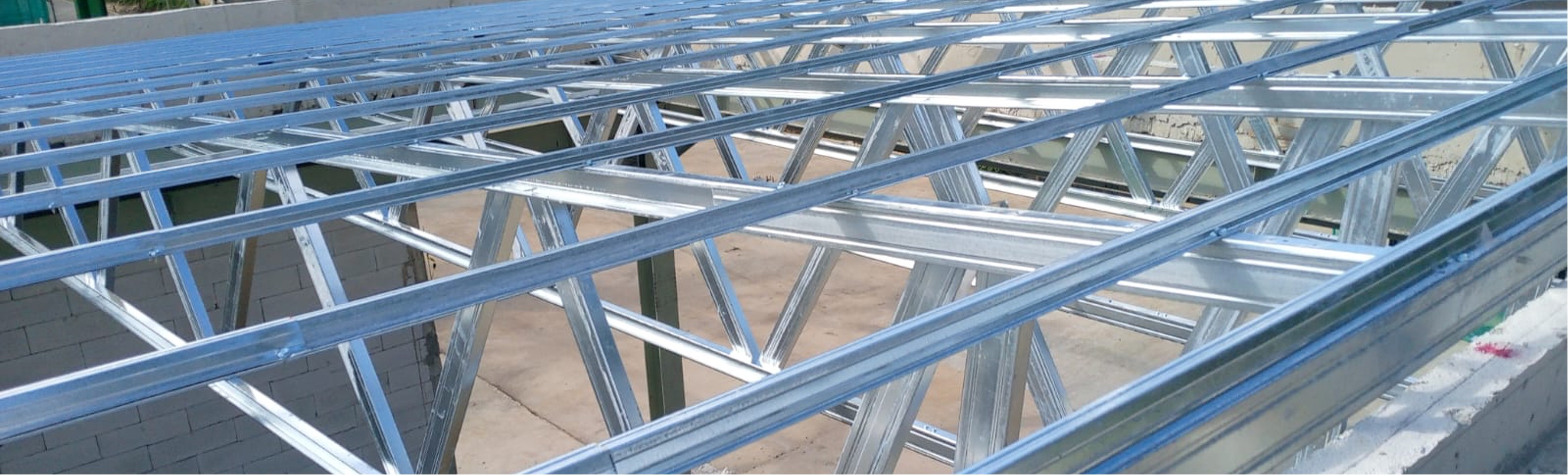
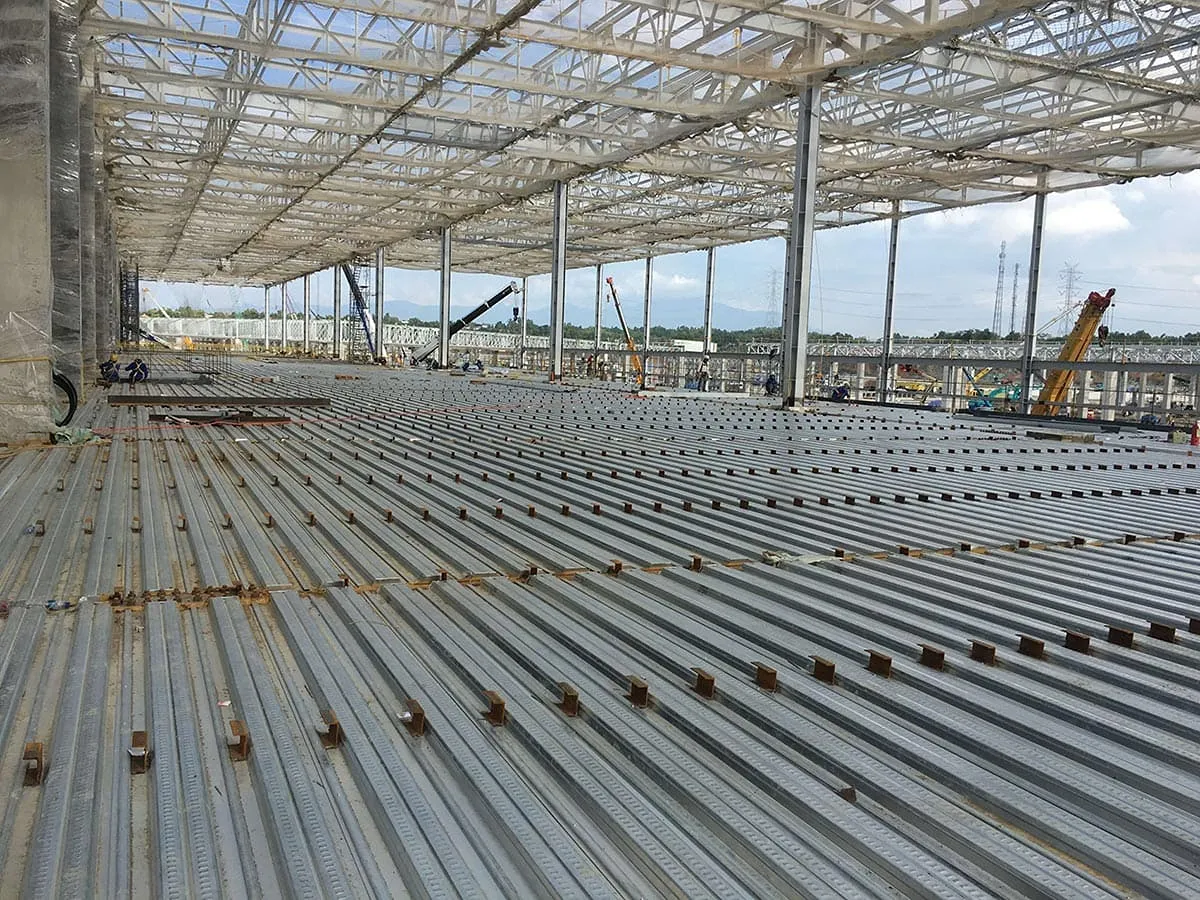
In addition, profile shape also has an influence. Flat sheet and sheet that has been formed into a particular profile do not always have the same level of stiffness. In some applications, the profile shape helps increase stiffness without requiring significantly thicker material.
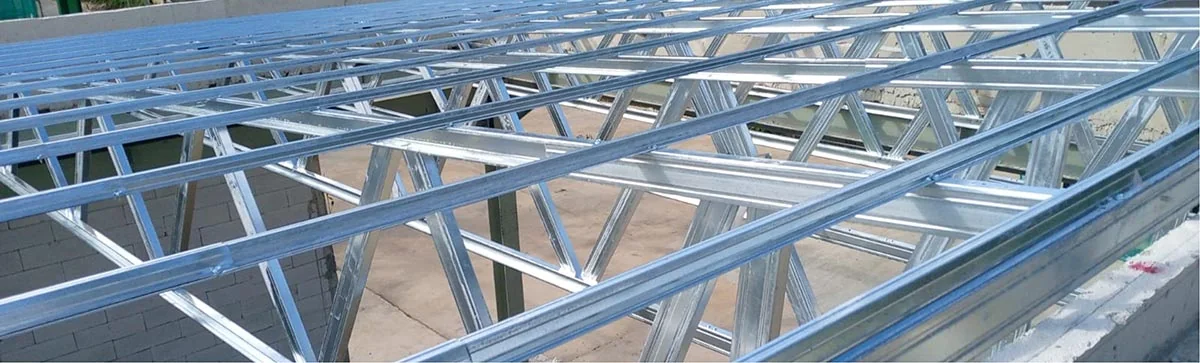
Therefore, when selecting galvanized sheet thickness for construction purposes, do not evaluate the material in isolation. Also consider the profile, span, supports, fastening method, and the loads it will receive.
The Fabrication Process Also Determines the Choice
Many galvanized sheets are not used directly in flat-sheet form. The material usually undergoes further processes such as bending, punching, cutting, stamping, folding, or roll forming.
Material thickness affects how easily these processes can be carried out. Thinner sheet is generally easier to form and requires less force during bending. In contrast, thicker material requires machines with greater capacity.
However, selection should not focus only on ease of fabrication. The material must still meet strength requirements after being formed into the final product.
Therefore, fabrication requirements should ideally be considered from the initial stage. If a product requires many bends or complex forming processes, the material specifications need to be aligned with the product design and the capabilities of the machines being used.
With this approach, companies can reduce the risk of production problems while also improving material-use efficiency.
Environmental Conditions Should Not Be Ignored
One of the main advantages of galvanized steel is the presence of a zinc coating that helps provide protection against corrosion. This coating acts as a barrier between the base steel and the environment while also providing sacrificial protection to the material.
Even so, the environmental conditions in which the material is used must still be considered. Material used in a dry indoor environment will certainly face different conditions from sheet installed outdoors, in humid areas, or in certain industrial environments.
Exposure to rain, humidity, condensation, certain chemicals, and atmospheric conditions can affect the required material specifications.
Another important point is to understand that steel thickness and zinc coating specifications are two different things. Steel thickness is more closely related to mechanical strength, stiffness, and material weight. Meanwhile, the zinc coating helps protect the steel from corrosion.
Using thicker steel does not automatically mean that corrosion protection will be greater. Therefore, thickness and coating specifications should be considered separately according to the requirements of the project.
Find a Balance Between Strength and Weight
The thicker the galvanized sheet, the greater its weight per unit area. In certain projects, additional weight may not be a problem. However, in many applications, material weight will affect frame design, handling processes, transportation, and supporting structures.
If the material is selected to be too thick without a clear technical need, the overall project weight may increase unnecessarily. Transportation and fabrication costs may also increase.
On the other hand, reducing thickness solely to obtain lighter material is not always appropriate. If the material eventually deforms easily or cannot meet the required operating conditions, the expected efficiency will not be achieved.
The best choice is to find a balance between strength, stiffness, weight, and cost based on the material’s actual function.
The Right Thickness Helps Improve Cost Efficiency
Material price is indeed an important consideration in a project, but it should not be the only basis for making a decision.
Choosing galvanized sheet simply because it is cheaper can result in additional costs if the specifications turn out to be unsuitable. The project may require design changes, material replacement, or rework.
Conversely, using specifications that are far higher than necessary can also result in material waste.
Therefore, cost efficiency should be viewed in terms of the overall process. Material price should be considered together with fabrication costs, material weight, transportation, production requirements, and suitability for the intended use.
This approach helps companies obtain material that is economical not only at the time of purchase, but also throughout the production and usage processes.
Material Consistency Is Just as Important as Thickness
For industrial-scale projects, nominal thickness alone is not sufficient. Consistency in material dimensions from one sheet to another also plays an important role.
Excessive variation in thickness can affect fabrication results, especially when the production process uses machines that have been set to certain parameters. Differences in material can affect bending, roll forming, joining, or the dimensional accuracy of the final product.
Therefore, selecting a manufacturer with good quality control is an important part of ensuring production process stability.
Consistent material helps simplify machine setup, maintain production results, and reduce the risk of non-conformities during fabrication.
Adjust the Selection According to the Type of Application
There is no single galvanized sheet thickness that can be considered ideal for every requirement. Each application requires a different approach.
For covers and lightweight components, the priorities are usually weight and ease of forming. For ducting, considerations may include duct dimensions, pressure, and stiffness. For enclosures or casings, the ability to maintain shape and resist deformation becomes important.
In construction projects, material requirements are related to span, profile, support systems, and loads. Meanwhile, for industrial applications, factors such as fabrication methods, usage environment, and working conditions are key considerations.
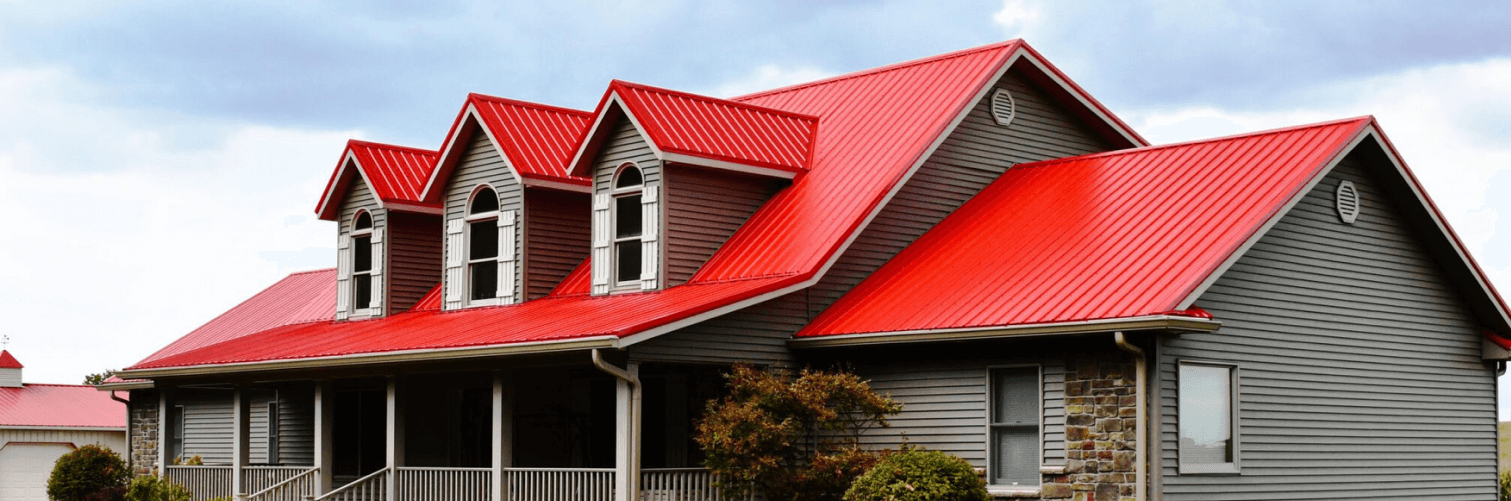
If used for metal roofing, thickness also needs to be adjusted according to the roof profile, support spacing, potential loads, and the overall building design.
Because many variables are involved, determining thickness based solely on previous project practices should be avoided. Previous specifications can be used as a reference, but the requirements of the current project still need to be evaluated separately.
Common Mistakes When Choosing Galvanized Sheet
One fairly common mistake is assuming that thicker sheet is always better. In fact, excessive thickness can increase weight and cost without providing the necessary technical benefits.
Another mistake is comparing only the price per sheet. A lower initial price does not always result in a more cost-efficient project if the material does not meet the required specifications.
Users should also avoid assuming that steel thickness is the same as corrosion protection capability. Steel thickness and zinc coating have different functions, so both should be viewed as separate parts of the specification.
In addition, bending, cutting, forming, span, support, and load requirements should not be ignored. A good specification is one that considers the entire system rather than only one parameter.
What Should Be Checked Before Purchasing?
Before making a selection, make sure the material’s function is clearly understood. Identify the loads it will receive, environmental conditions, span length, support spacing, fabrication requirements, and technical specifications established in the design.
Also check the material thickness, dimensional tolerances, steel grade, zinc coating specifications, and product consistency. If the material will be used for large-scale production processes, compatibility between the material and fabrication equipment should also be considered.
For projects with specific technical requirements, the final specifications should always refer to working drawings, applicable standards, and recommendations from the engineering team involved in the project.
Conclusion
Choosing the right galvanized sheet thickness requires broader consideration than simply determining a thickness figure. Material function, load, span, support system, fabrication process, usage environment, weight, and cost are interconnected factors.
Sheet that is too thin may provide performance that does not meet requirements, while material that is too thick may unnecessarily increase cost and weight. Therefore, the main objective is not to find the thickest sheet, but rather the specification that best matches the project requirements.
In addition to thickness, it is important to consider steel quality, dimensional tolerances, zinc coating quality, and product consistency. Selecting the right material from the planning stage will help support production efficiency while ensuring that the final result performs as intended.
Quality Galvanized Steel Sheets from FUMIRA
For both construction and industrial projects, selecting a reliable material source is just as important as determining the technical specifications. Consistent material quality can help support the fabrication process and ensure that the products used meet the required needs.
FUMIRA is one of the largest galvanized steel sheet manufacturers in Indonesia and has been established since 1970. The name FUMIRA comes from the first two letters of the names of its three shareholders: Fuji Steel, which later merged with Yawata Steel to become Nippon Steel Corp., Mitsui Co. Ltd., and Ragam Logam, a subsidiary of Argo Manunggal Group.
With extensive experience in the galvanized steel industry, FUMIRA provides products for various industrial and construction needs. For the metal roofing category, FUMIRA metal roofing products use 100% zinc, making them one of the material options for building applications that require zinc-coated steel products.
Before selecting a product, make sure specifications such as size, thickness, function, and usage requirements have been carefully considered. To learn more about the available galvanized steel products, visit fumira.co.id or contact us via WhatsApp.