




A roof does more than protect a home from sunlight, rain, wind, and changing weather conditions. From a visual perspective, it is also one of the key elements that influence the overall appearance of a building. Therefore, choosing the right metal roof tile color should involve careful consideration of the home's overall design.
The right roof color can make a home look more harmonious, modern, elegant, or inviting, depending on its architectural concept. Conversely, poorly coordinated colors can make the exterior appear overly busy or visually inconsistent.
Metal roof tiles are widely used in various types of buildings because of their versatile appearance and ability to complement different architectural styles. However, before selecting a color, several factors should be considered to ensure the final result blends seamlessly with the home's facade.
Match the Roof Color with Your Home's Architectural Style
Every architectural style has its own distinctive color characteristics. Therefore, the first step is to understand your home's overall design concept.
Modern minimalist homes typically feature neutral colors such as white, gray, black, beige, or earthy tones. For this architectural style, dark gray, black, or other neutral roof colors can help create a simple yet striking appearance.
Meanwhile, classical or Mediterranean-style homes tend to pair well with warmer colors, such as brown, reddish-brown, or natural tones. These colors can enhance the traditional and elegant character of the building.
For industrial-style homes, dark colors such as black and charcoal gray are also popular because they complement exposed concrete, steel, glass, and other materials with rough textures.
The key is to ensure that the roof color becomes an integral part of the architectural concept rather than being selected independently.
Coordinate the Roof Color with the Exterior Walls
Wall color is one of the most dominant visual elements of a home's exterior. Therefore, the roof and wall colors should create a balanced visual relationship.
White walls, for example, can be paired with dark gray, black, or brown roofing to create a distinct contrast. Meanwhile, cream or beige walls generally complement brown or gray roofs.
If a home features light gray walls, choosing a darker roof color can create a bold appearance without making the overall design feel overwhelming.
It is important to remember that the roof color does not have to match the wall color exactly. In fact, carefully balanced color differences can make a home's design more visually appealing.
However, excessively strong contrasts should also be avoided. Ideally, the wall and roof colors should belong to complementary color palettes.
Consider Window Frames, Doors, Fences, and Other Exterior Elements
In addition to walls and roofing, a home's exterior appearance is influenced by window frames, doors, fences, canopies, architectural trims, and decorative materials.
If a home features black window frames and doors, a dark-colored roof can help establish visual consistency.
For homes with prominent wooden elements, neutral or warm-toned roofing can be an excellent choice to maintain a natural and cohesive appearance.
Before deciding on a roof color, it is advisable to evaluate all exterior elements as a unified design. This approach can help prevent clashing color combinations.
Use a Balanced Color Combination
Using too many colors in exterior design can make a home appear visually cluttered. On the other hand, relying on colors that are too similar can result in a monotonous appearance.
One practical approach is to limit the primary color palette to two or three color groups. For example, light-colored walls can serve as the dominant color, dark roofing can provide balance, and doors or window frames can function as accent elements.
A combination of white, dark gray, and black is a relatively safe choice for modern minimalist homes.
For homes with a natural aesthetic, combining cream, brown, and wood tones can create a warmer atmosphere.
This simple approach helps maintain a clean and organized design while establishing a distinctive visual character.
Consider the Visual Impression You Want to Create
Every color creates a different visual impression on a building.
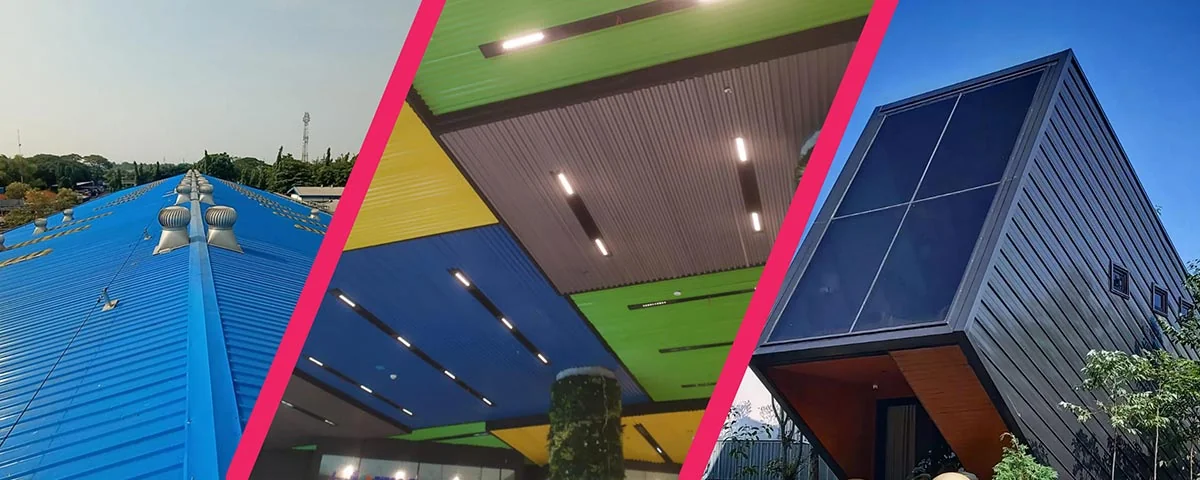
Dark roof colors, such as black or charcoal gray, typically convey a bold, modern, and sturdy appearance. These colors are also commonly used in contemporary home designs.
Meanwhile, brown roofing can create a warmer and more natural atmosphere. This color pairs well with cream or white facades, natural stone, and wooden elements.
Lighter roof colors can create a sense of openness and lightness, particularly when combined with walls featuring soft color tones.
Before making your final decision, consider the character you want your home to express. Do you want it to look modern, minimalist, elegant, natural, or classic? Answering this question can help narrow down your roof color options.
Adapt the Roof Color to the Surrounding Environment
A home's appearance can also be influenced by its surrounding environment.
For example, houses located in areas surrounded by trees may benefit from natural roof colors that blend with the landscape. Brown, gray, and other neutral tones are generally versatile choices for these environments.
Meanwhile, homes in modern residential areas dominated by neutral-colored buildings can use black or gray roofing to achieve a more contemporary appearance.
However, adapting your roof color to the surrounding environment does not mean your home must look identical to neighboring buildings. You can still express your own style as long as the color combination does not appear excessively contrasting.
Pay Attention to How Lighting Affects Color
A color shown in a catalog or on a small sample may look different when applied to a large roof surface.
Sunlight can make colors appear brighter than they do in shaded areas. Morning, midday, and afternoon lighting conditions can also create different visual effects.
Therefore, it is best not to select a roof color based solely on how it appears on a screen or in a catalog.
Whenever possible, examine color samples under natural lighting. This step can provide a more realistic impression of how the roof color will look once installed on your home.
Choose Colors That Remain Relevant Over Time
Home design trends continue to evolve. Certain colors may be popular today but may not remain as appealing several years from now.
Since roofing is generally intended for long-term use, choosing relatively neutral colors can provide greater flexibility.
Gray, black, brown, and several earthy tones are versatile options that can complement various changes to exterior design.
If you decide to repaint your home's exterior walls in the future, a neutral-colored roof can usually remain in place without disrupting the overall appearance.
This way, you can avoid making major changes too frequently simply to keep up with design trends.
Create a Visualization Before Choosing a Color
One effective way to reduce the risk of choosing the wrong roof color is to create a visual simulation beforehand.
You can use a photograph of your home and digitally experiment with several roof color options. If the house is still in the planning stage, three-dimensional visualization can also help you evaluate color combinations more comprehensively.
Through these simulations, you can compare whether a gray roof looks better than a brown one or determine whether black roofing creates too much contrast with the facade.
This approach is particularly useful because your decision will be based on a realistic visual representation rather than imagination alone.
Don't Focus Only on Color—Consider Material Quality Too
Although color plays an important role in a building's appearance, material quality remains a key factor to consider.
A roof is directly exposed to sunlight, rain, wind, and various environmental conditions. Therefore, roofing materials should be selected based on the building's requirements, product specifications, environmental conditions, and roof construction characteristics.
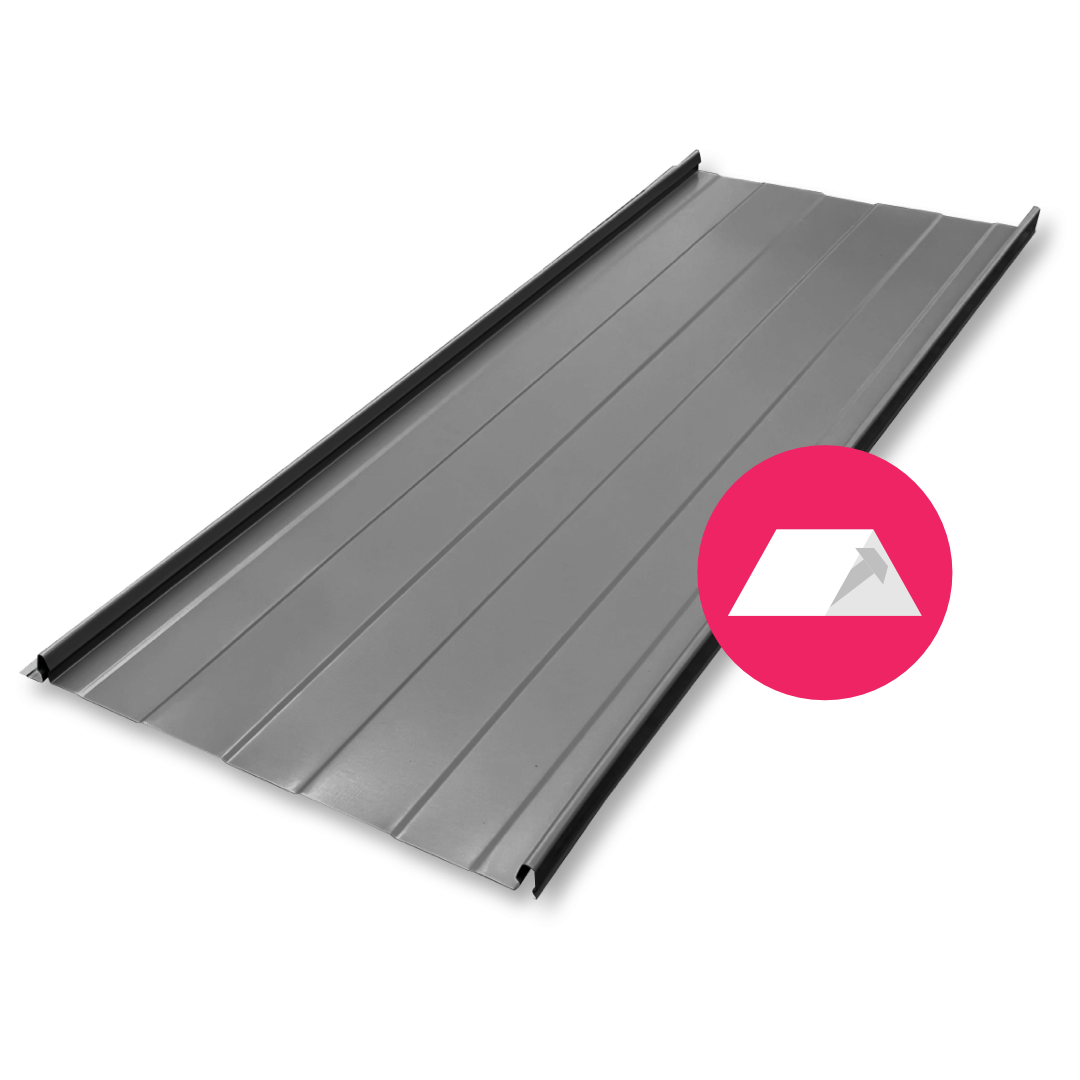
Metal roofing can be used for various types of buildings, ranging from residential homes to commercial and industrial facilities.
FUMIRA's metal roofing products feature a 100% zinc coating. However, product selection should still be based on the building's technical requirements and architectural design to ensure that functionality and aesthetics work together effectively.
Roof and House Color Combination Ideas
If you are still looking for inspiration, combining white walls with dark gray roofing can be an excellent choice for a modern minimalist appearance. This combination creates a clean look and pairs well with black window frames or wooden elements.
For homes with cream-colored walls, brown roofing can create a warm and natural atmosphere. This combination works well with tropical, classical, and modern natural architectural styles.
Meanwhile, homes featuring light gray walls can be paired with black roofing to achieve a bolder and more contemporary appearance.
If the facade incorporates numerous wooden elements, consider choosing a relatively neutral roof color so that the wood's natural textures and tones remain prominent features of the building's design.
Common Mistakes to Avoid
One common mistake is selecting a roof color based solely on a small sample. When applied to a larger surface, the color may appear lighter, darker, or even noticeably different.
Another mistake is following current trends without considering whether the color suits the home's architectural design. A popular color may not necessarily complement the building's shape or existing facade.
Using too many dominant colors on a single house should also be avoided. Excessively busy combinations can reduce the sense of visual harmony and organization.
Additionally, aesthetics should not be the only consideration. Material specifications and quality play an equally important role in determining which roofing product best meets the building's requirements.
Conclusion
Choosing the right metal roof tile color requires careful consideration of several factors. The roof color should complement the home's architectural style, wall colors, window frames, doors, fences, surrounding environment, and desired visual character.
Neutral colors offer flexibility for various architectural concepts, while warmer tones can help create a natural or classical appearance.
For better results, consider creating color simulations before making your final decision and observe how different colors appear under natural lighting.
Equally important, do not focus on color alone. Roofing materials should also be selected according to their specifications and the building's requirements to maintain a balance between aesthetics and functionality.
Consider Quality Steel Products from FUMIRA
If you are planning a construction or renovation project and need high-quality steel products, FUMIRA is one of the options worth considering.
FUMIRA is one of Indonesia's largest galvanized steel sheet manufacturers. Established in 1970, the company has extensive experience in the country's galvanized steel industry.
For metal roofing applications, FUMIRA products feature a 100% zinc coating. These products are worth considering for a wide range of building applications, including residential, commercial, and industrial projects.
With more than five decades of experience, FUMIRA continues to provide galvanized steel products to support various construction needs throughout Indonesia.
To learn more about FUMIRA's products or consult with the team about your project requirements, please contact the FUMIRA team via WhatsApp.