



Roofing is an essential part of any building because it functions to protect the interior of homes, buildings, warehouses, and industrial facilities from weather exposure. Besides being able to withstand rain and wind, roofing materials should also be selected by considering solar heat, durability, cost, and occupant comfort.
One of the materials widely used today is metal roofing. This material is known for being relatively lightweight, strong, easy to install, and available in various profile designs. However, when looking for roofing products on the market, consumers often encounter the terms regular metal roofing and heat-resistant metal roofing.
Both use metal as their main material, but they differ in terms of function, construction, and their ability to reduce heat. Understanding these differences will help you choose the product that best suits your building requirements.
What Is Regular Metal Roofing?
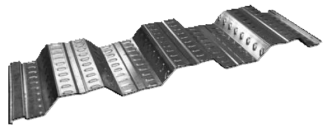
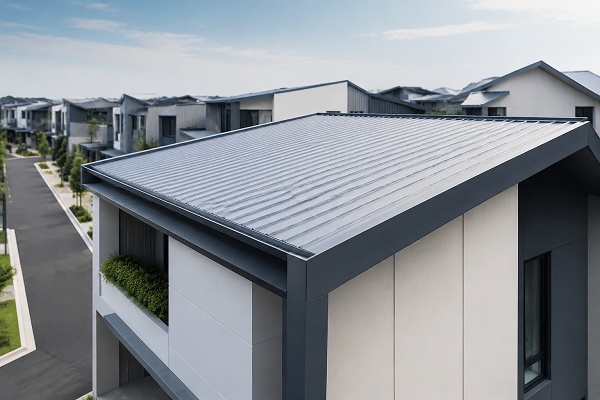
Regular metal roofing is a metal-based roofing sheet primarily designed to protect buildings from rain, wind, dust, and other weather conditions. These products are generally available in corrugated sheets or sheets with specific profiles.
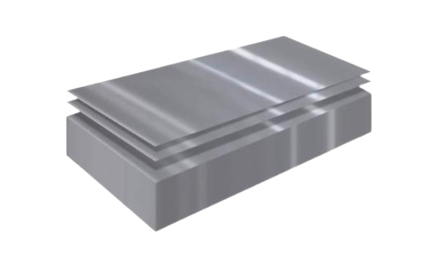
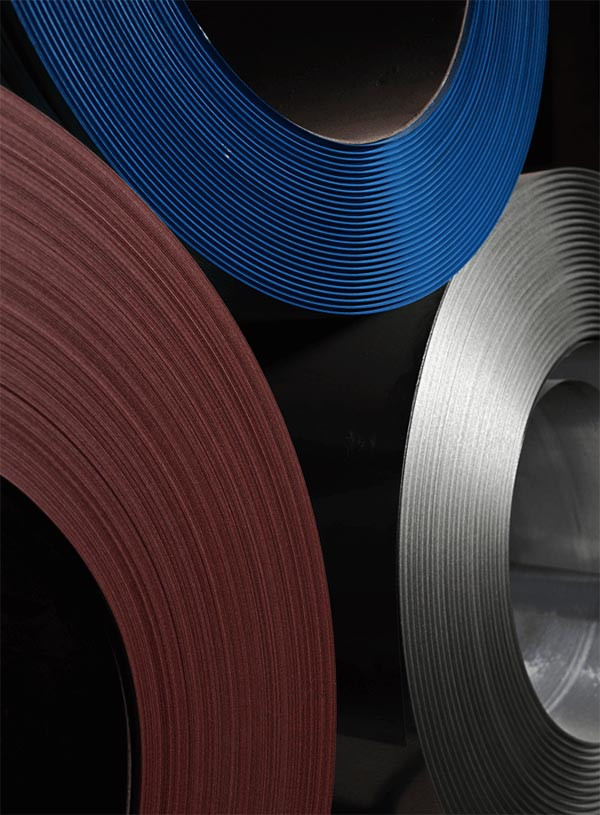
In the construction industry, two types of coated steel are commonly recognized: galvanized steel and galvalume steel.
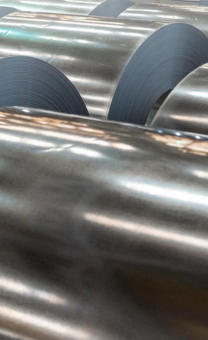
Galvanized steel is steel coated with zinc to help protect its surface from corrosion. Meanwhile, galvalume steel uses a coating containing aluminum, zinc, and other supporting elements.
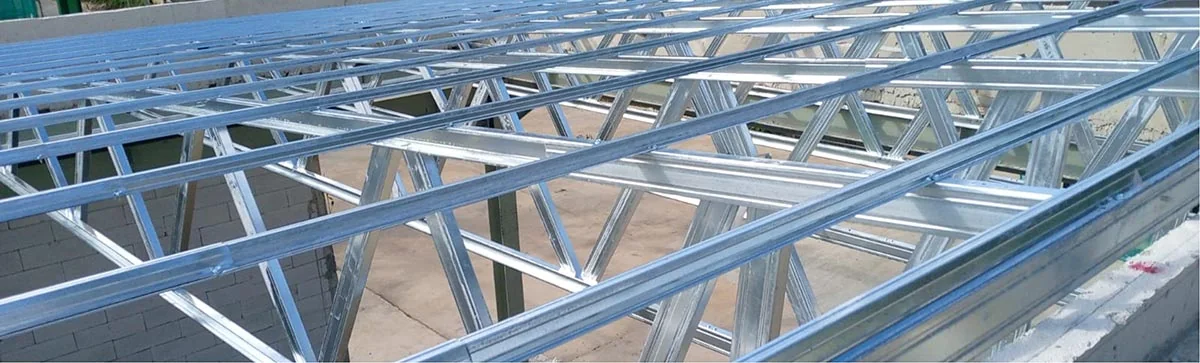
In Indonesia, galvalume materials are widely used, particularly for lightweight steel frames and various construction applications. As a result, the term “lightweight steel” is often directly associated with galvalume. However, galvanized steel products are also commonly used for building applications, including roofing, walling, and ceiling systems.
The term “regular metal roofing” does not necessarily mean that the product has low quality. It is more commonly used to distinguish standard metal roofing products from roofing systems equipped with additional features designed to reduce heat.
The quality of regular metal roofing still depends on several factors, including the type of material, steel thickness, protective coating quality, profile design, and proper application in the building.
What Is Heat-Resistant Metal Roofing?
Heat-resistant metal roofing is roofing designed to help reduce the transfer of solar heat into a building. This capability does not always come from the metal sheet itself but can be achieved through a combination of several components.
A heat-resistant roofing system typically uses additional layers, insulation materials, highly reflective surfaces, ceilings, air gaps, or proper ventilation systems. These components work together to slow down heat transfer into the building.
For example, insulation installed beneath the roof can help reduce heat transfer. Meanwhile, ventilation in the roof area helps remove trapped hot air from the building.
The roof surface color can also influence heat absorption. Lighter colors generally reflect more sunlight compared to very dark colors. However, color is not the only factor that determines a building’s thermal comfort.
Therefore, the term “heat-resistant metal roofing” should be understood as part of a heat-control system rather than simply a product name.
Differences Between Regular Metal Roofing and Heat-Resistant Metal Roofing
Regular metal roofing and heat-resistant metal roofing have several key differences that should be considered before selecting the right option.
1. Heat Reduction Capability
Regular metal roofing primarily functions as a protective layer for buildings. Since metal is a material that conducts heat, the roof surface exposed to sunlight will experience an increase in temperature. This heat can then transfer into the area beneath the roof.
However, using regular metal roofing does not always mean that the interior of a building will become excessively hot. Indoor comfort is also influenced by building design, ceiling height, air circulation, insulation, room size, and the building’s orientation toward the sun.
Heat-resistant metal roofing provides better temperature control because it uses supporting systems. Insulation helps slow down heat transfer, while ventilation helps remove hot air accumulated beneath the roof.
With proper planning, a heat-resistant roofing system can create a more comfortable indoor environment, especially for buildings that are occupied throughout the day.
2. Components Used
Regular metal roofing generally consists of roofing sheets, structural frames, fasteners, and supporting accessories. The system is relatively simple and can be applied to various types of buildings.
Meanwhile, heat-resistant metal roofing may require additional components. These components can include aluminum foil, thermal insulation, reflective coatings, ceilings, air gaps, or ventilation systems.
The more complete the heat-control system, the greater the potential improvement in thermal comfort. However, component selection should still be adjusted according to the building’s conditions.
Open structures such as canopies may not require the same insulation system as residential buildings, offices, or enclosed production areas.
3. Cost
In terms of initial cost, regular metal roofing tends to be more economical because it uses simpler components. This type of roofing can be a suitable choice for open warehouses, canopies, storage areas, or buildings that do not require specific temperature control.
Heat-resistant metal roofing generally requires a higher investment because it involves additional materials and construction work. The additional costs may come from insulation installation, ceiling construction, ventilation systems, or the use of special surface coatings.
Although the initial investment is higher, a heat-resistant roofing system can provide better comfort. Under certain conditions, a cooler indoor environment may also help reduce dependence on fans or air conditioning systems.
The level of benefit can vary depending on each building. Factors such as room size, climate, building orientation, insulation type, and energy usage habits should still be considered.
4. Durability
Heat reduction capability does not directly determine a roof’s resistance to corrosion. The durability of metal roofing is mainly influenced by steel quality, protective coating type, material thickness, environmental conditions, and maintenance.
Regular metal roofing can have a long service life when manufactured using quality materials and applied according to its intended function. The same applies to heat-resistant metal roofing. Adding insulation does not automatically make the roofing sheet more resistant to rust.
Environmental conditions must also be considered. Buildings located in areas with high humidity, chemical exposure, or salty air require more careful material selection.
Therefore, consumers should not only focus on heat-resistant claims. The basic material specifications and protective coating quality remain important factors when choosing metal roofing.
5. Noise Level During Rain
Rain noise is one of the factors often considered when using metal roofing. Raindrops hitting a metal surface can create noticeable sounds, especially when the building does not have a ceiling or sound-dampening layer.
Regular metal roofing installed without insulation tends to produce louder rain sounds inside the building. However, noise levels are also affected by material thickness, room size, roof height, and the overall construction system.
Heat-resistant metal roofing that uses insulation and ceilings can help reduce noise. Insulation materials not only slow down heat transfer but can also reduce vibrations and sounds generated from the roof surface.
For residential buildings, offices, schools, places of worship, and healthcare facilities, acoustic comfort should also be considered during the planning stage.
6. Suitability for Different Applications
Regular metal roofing is suitable for buildings that prioritize basic protection, cost efficiency, and relatively simple construction processes.
Examples of applications include vehicle canopies, open warehouses, storage facilities, service areas, agricultural buildings, and certain production facilities.
Heat-resistant metal roofing is more suitable for buildings that require higher levels of indoor comfort and are occupied for long periods. Examples include homes, schools, retail stores, restaurants, offices, clinics, and enclosed workspaces.
The choice of roofing type should consider activities conducted inside the building. The greater the need for indoor comfort, the more important proper insulation and ventilation planning becomes.
Can Regular Metal Roofing Be Made Cooler?
Regular metal roofing can still be improved to create a more comfortable roofing system. Building owners do not always need to replace the entire roof structure to reduce heat.
One method is to add insulation materials beneath the roof. In addition, installing a ceiling can create a gap between the roof surface and the interior space.
This gap can help reduce direct heat transfer. The results will be more effective when the area beneath the roof has proper ventilation that allows hot air to escape.
Surface color selection can also be considered. Light-colored roofs generally absorb less heat compared to dark-colored roofs. However, coating quality and overall building design still influence the final performance.
Therefore, regular metal roofing can become part of a heat-resistant roofing system when equipped with suitable supporting components.
Tips for Choosing the Right Metal Roofing
Before selecting a product, first check the type of material and its protective coating. Do not only consider the appearance or color of the roof surface.
Material thickness should also be taken into account. Products with the appropriate thickness will provide better strength and stability according to the building’s requirements.
Next, choose the roofing profile based on the building design and function. The profile shape can affect water drainage, the building’s appearance, and the connection system between roofing sheets.
Consider thermal comfort requirements as well. For residential buildings or workspaces, insulation, ceilings, and ventilation systems should ideally be planned from the beginning of the project.
Finally, choose products from manufacturers with proven experience and clear technical specifications. Quality materials help provide more optimal building protection and long-term durability.
Regular Metal Roofing or Heat-Resistant Metal Roofing: Which One Is Better?
There is no single roofing type that is considered the best for every building. Regular metal roofing can be the right choice when a project prioritizes cost efficiency, strength, and basic protection against weather conditions.
Meanwhile, a heat-resistant metal roofing system is more suitable for buildings that require higher levels of thermal comfort. Additional components such as insulation, ceilings, and ventilation can help reduce heat entering the building.
The best decision should be based on the building’s function, environmental conditions, budget, and occupant requirements. Do not choose only based on the terms “regular” or “heat-resistant,” but consider the roofing system as a whole.
Choose Quality Galvanized Metal Roofing from FUMIRA
Material quality is one of the most important factors in creating a strong and durable roofing system. For galvanized steel metal roofing requirements, FUMIRA provides products that can be used for various types of buildings.
FUMIRA is one of the largest galvanized steel sheet manufacturers in Indonesia. The company was established in 1970. The name FUMIRA was derived from the first two letters of the names of its three shareholders: Fuji Steel, Mitsui Co. Ltd., and Ragam Logam.
Fuji Steel later merged with Yawata Steel to become Nippon Steel Corporation, while Ragam Logam is a subsidiary of Argo Manunggal Group.
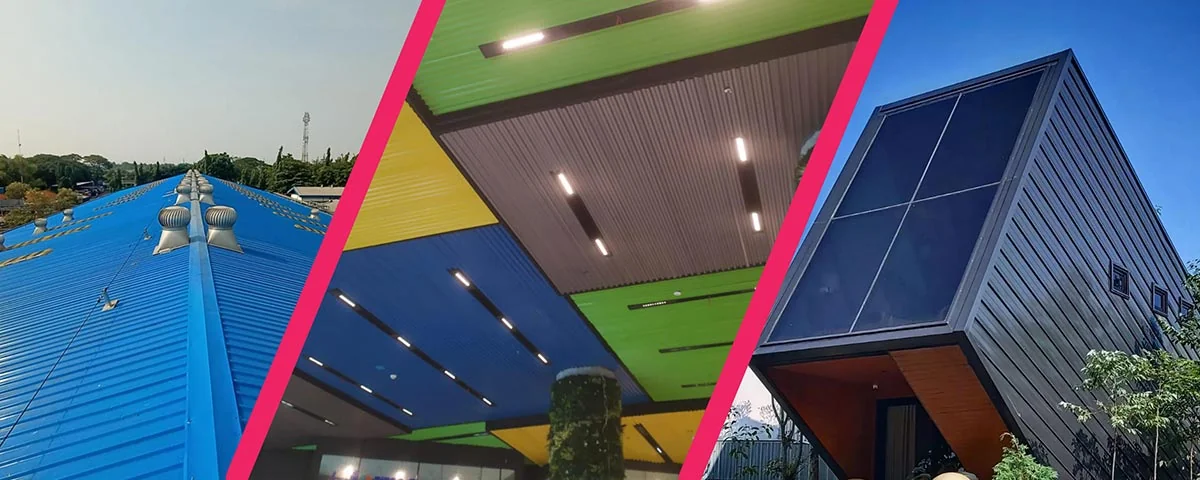
For its metal roofing products, FUMIRA uses galvanized steel with a 100% zinc coating. These materials are available for various roofing, walling, and ceiling applications.
FUMIRA also offers a variety of profiles and application systems that can be customized according to project requirements, including bolt system, boltless system, and hidden screw system.
With more than five decades of experience in the galvanized steel industry, FUMIRA continues to provide products for residential buildings, commercial facilities, public buildings, and industrial sectors.
Explore FUMIRA’s galvanized metal roofing products and specifications at fumira.co.id. By choosing the right material from the beginning, buildings can achieve the appropriate level of protection, appearance, and durability for long-term needs.
For further information or product consultation, please contact us via WhatsApp.