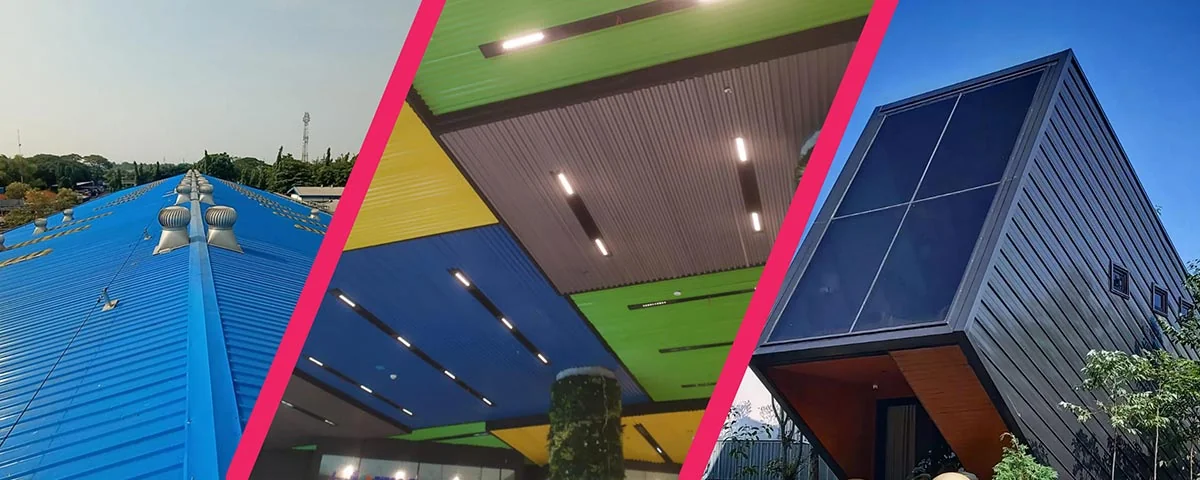



Industrial design has become one of the most popular architectural styles due to its ability to create a modern, bold, and functional appearance. Its distinctive characteristics include the use of exposed materials, geometric shapes, neutral color palettes, and structural elements that are not necessarily concealed.
One of the most important elements defining the character of an industrial-style building is the roof. Beyond protecting the building from sunlight and rain, the roof also plays a significant role in the overall visual composition. Therefore, industrial roof design should consider two essential aspects: aesthetics and structural strength.
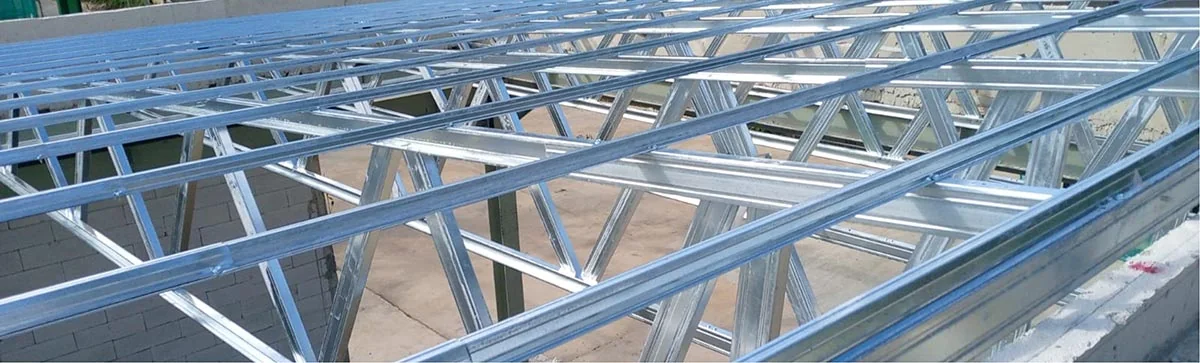
To achieve optimal results, light gauge steel structures are often considered a suitable option. Light gauge steel offers characteristics that align with modern construction requirements, including precision, relatively lightweight properties, flexibility in fabrication, and resistance to termites.
However, not all light gauge steel products use the same type of protective coating. Generally, two commonly recognized types are galvanized steel and Galvalume steel. Although Galvalume is widely used in today's market, galvanized light gauge steel offers distinct advantages that make it an attractive option for industrial roof designs.
What Is Industrial Roof Design?
Industrial design draws inspiration from factories, warehouses, and manufacturing facilities. This architectural style emphasizes functionality and efficiency while maintaining a strong visual identity.
In roofing applications, industrial design is typically characterized by simple shapes with minimal ornamentation. Structural lines are clearly defined, while materials such as steel, concrete, and metal often become visible elements of the building's appearance.
Some common characteristics of industrial roof design include:
-
Simple and geometric roof shapes
-
Neutral colors such as gray, black, white, or natural metallic tones
-
The use of steel or metal elements
-
Clean and organized structural arrangements
-
Minimal decorative elements without practical functions
-
An emphasis on material efficiency and durability
This concept can be applied to residential homes, cafés, studios, offices, showrooms, warehouses, and commercial buildings.
It is important to understand that industrial aesthetics are not limited to exterior appearances. The structure beneath the roof also plays an essential role in defining the architectural character while ensuring that the building functions properly.
The Role of Light Gauge Steel Structures in Industrial Roofing
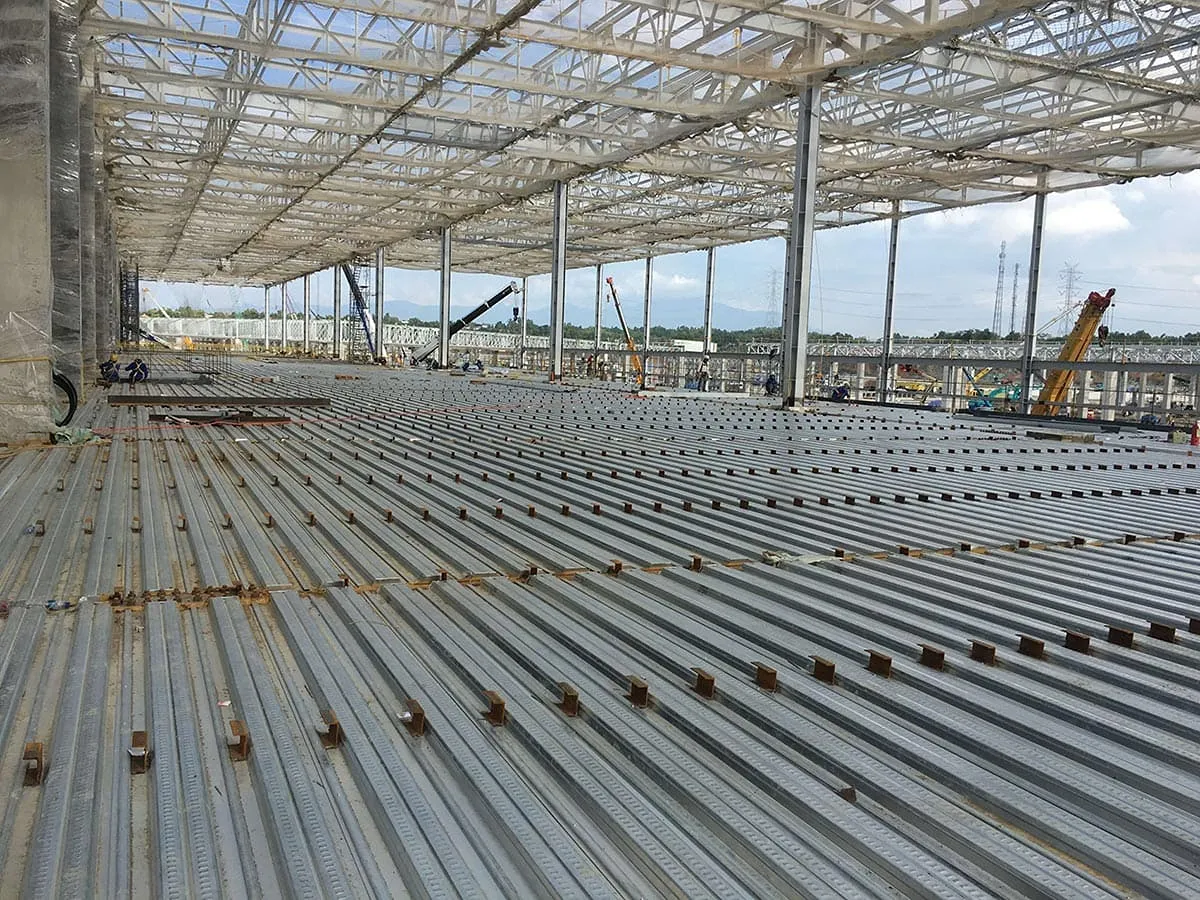
The roof frame is an essential structural component that supports the roofing material and distributes loads to the building's main structure.
Light gauge steel roof framing has become increasingly popular because the material offers several characteristics that support modern construction requirements.
First, light gauge steel is relatively lightweight compared to certain conventional structural systems. This characteristic can help reduce the building's dead load.
Second, light gauge steel is manufactured with relatively precise dimensions and profiles. This precision helps create a more consistent framing system when installation follows the approved structural design.
Third, steel-based materials do not serve as a food source for termites. This provides an additional advantage for buildings that require structural materials with a lower risk of termite damage.
Fourth, light gauge steel can be fabricated and installed in various framing configurations. This flexibility allows the material to be used in different roof designs, ranging from simple structures to more modern geometric concepts.
These characteristics make light gauge steel well-suited to the philosophy of industrial design, which emphasizes efficiency, functionality, and clearly defined structures.
Galvanized vs. Galvalume Light Gauge Steel: What's the Difference?
Before choosing a roof framing material, it is important to understand that light gauge steel products available on the market may use different types of protective coatings.
Two commonly used options are galvanized steel and Galvalume steel.
Galvanized steel uses a zinc-based coating to help protect the underlying steel from corrosion. Meanwhile, Galvalume steel typically uses a coating composed of aluminum and zinc.
Both coating systems are designed to provide protection for steel materials. However, each has different characteristics, making it important to select the most suitable option based on project requirements.
Today, Galvalume light gauge steel is widely available on the market. Nevertheless, the popularity of a particular material does not necessarily mean it is the only suitable choice for every construction condition.
Galvanized light gauge steel continues to offer several attractive characteristics, particularly for projects that require an elegant appearance, corrosion protection, and better resistance when exposed to cement-based materials.
Therefore, choosing between galvanized and Galvalume steel should involve careful consideration of the building's function, environmental conditions, architectural design, construction methods, and required technical specifications.
Advantages of Galvanized Light Gauge Steel for Industrial Roof Design
Galvanized light gauge steel offers several advantages that make it relevant for supporting industrial-style architecture.
1. Elegant and Modern Appearance
One distinctive feature of industrial design is the use of construction materials as part of the building's aesthetic appeal.
In certain architectural styles, structural frames and building components are not always completely concealed. Instead, some elements are intentionally exposed to create a stronger industrial character.
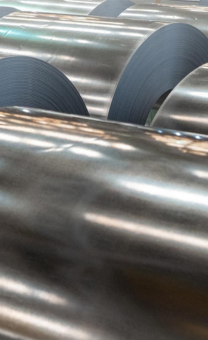
Galvanized light gauge steel has a metallic surface that can create a clean, modern, and technical appearance. This visual characteristic complements various materials, including exposed concrete, glass, brick, and wood.
Combining these materials can produce an attractive visual contrast. Steel introduces a sense of modernity and precision, concrete creates a solid and raw aesthetic, while wood adds warmth to prevent the space from feeling overly rigid.
In industrial roof design, a neat and proportionate steel frame can become an important part of the building's visual identity.
2. Maximum Corrosion Protection
Corrosion is an important factor to consider when using metal-based construction materials.
Air, moisture, and certain environmental conditions can accelerate corrosion when steel surfaces do not have adequate protection.
In galvanized steel, the zinc coating acts as a protective layer for the underlying steel. Zinc helps minimize direct contact between the steel substrate and the surrounding environment.
In addition to forming a protective barrier, zinc also provides cathodic protection, commonly known as sacrificial protection. This means zinc can help protect exposed steel under certain conditions because it reacts before the underlying steel.
This characteristic is one of the important advantages of galvanization.
For roof framing systems, corrosion protection deserves particular attention because these components are expected to maintain their structural function and performance over the long term.
However, structural durability does not depend solely on the type of protective coating. Other factors, including material specifications, environmental conditions, connection details, workmanship quality, and structural design, must also be considered comprehensively.
3. Better Resistance to Cement
Another advantage of galvanized light gauge steel is its greater resistance to contact with cement compared to certain other coating systems.
This characteristic is particularly relevant during construction because light gauge steel structures may be installed near cement, mortar, or concrete materials.
In industrial-style buildings, the combination of concrete and steel is also a common architectural feature.
Exposed concrete is frequently used for walls, floors, columns, and decorative elements. Meanwhile, steel introduces a modern and structural appearance.
Therefore, galvanized light gauge steel can be an attractive option for construction projects that incorporate numerous cement-based or concrete elements.
Its resistance under these conditions can provide greater flexibility in construction planning.
Combining Light Gauge Steel with Industrial Roof Concepts
Creating an attractive industrial roof design involves more than selecting the right materials. The shape and structural composition must also be carefully planned.
One commonly used approach is to incorporate simple roof shapes.
A gable roof, for example, can create an industrial appearance when combined with clean lines and appropriate materials. This roof shape is also relatively easy to integrate with different facade designs.
Another option is a shed roof, also known as a mono-pitched roof. This design features a single sloping surface and is commonly associated with modern and industrial buildings.
In addition to creating a strong geometric appearance, this roof configuration also allows for the integration of openings or ventilation systems along certain sides of the building.
For more complex projects, several simple roof sections can be combined to create a more dynamic architectural composition.
The most important consideration is maintaining a functional design. Industrial architecture generally does not require excessively decorative or complicated roof shapes.
Tips for Designing an Industrial Roof with Light Gauge Steel
To ensure that an industrial roof is not only visually appealing but also functions effectively, several important factors should be considered.
Choose an Efficient Roof Shape
Simple roof configurations are generally the most suitable choice for industrial-style architecture.
In addition to reinforcing the minimalist character, less complicated designs can help simplify structural systems and connection details.
Pay Attention to Roof Pitch
Roof pitch should be adjusted according to the type of roofing material and environmental conditions.
The purpose is to ensure that rainwater drains efficiently and does not easily accumulate on the roof surface.
Calculate Structural Loads
Light gauge steel roof framing must be designed according to the building's specific requirements.
Roof covering loads, wind loads, structural spans, truss spacing, and other technical considerations must be calculated accurately.
Therefore, selecting steel profiles and material thicknesses should not be based solely on price.
Choose Materials with Clear Quality Standards
The quality of light gauge steel significantly influences the performance of the roof framing system.
Before making a decision, consider the coating type, base metal thickness, product standards, and the manufacturer's reputation.
For projects that prioritize zinc protection, an elegant metallic appearance, and resistance to cement, galvanized light gauge steel can be one of the options worth considering.
Maintain Consistency in Colors and Materials
Industrial design typically uses a relatively simple color palette.
Colors such as gray, black, white, brown, and metallic tones are frequently used because they complement various architectural elements.
Steel frames can be combined with exposed concrete, large glass panels, brick walls, or wooden accents.
Do Not Overlook Technical Details
Aesthetics should never compromise functionality.
Drainage systems, gutters, ventilation, connections, flashing, and fastening systems must be properly designed to ensure optimal roof performance.
Attention to detail becomes even more important when certain structural components are intentionally exposed as part of the architectural design.
The Right Materials Enhance Industrial Character
One reason industrial design remains popular is its ability to combine functionality with aesthetics.
Construction materials do not always need to be concealed. Instead, their natural characteristics can become part of the building's architectural appeal.
Galvanized light gauge steel offers visual qualities that align with this design philosophy. Its metallic appearance creates a modern impression without requiring excessive decorative elements.
At the same time, its primary function as a structural material must remain the priority.
Therefore, material selection should consider a combination of appearance, corrosion protection, compatibility with other construction materials, and structural requirements.
With this approach, an industrial roof can establish a strong architectural identity while supporting the building's overall performance.
Conclusion
Combining industrial roof design with light gauge steel structures can create buildings that appear modern, organized, and functional. Industrial architecture emphasizes simple shapes, bold lines, and the honest expression of materials, making structural quality an essential part of the overall design.
When selecting light gauge steel, the type of protective coating should also be considered. Although Galvalume light gauge steel is widely available on the market today, galvanized light gauge steel offers equally interesting characteristics.
The zinc coating on galvanized steel helps provide corrosion protection through both a physical barrier and a cathodic protection mechanism. Additionally, its metallic appearance can create an elegant aesthetic, while its resistance to contact with cement-based materials offers an added advantage for certain construction applications.
These characteristics make galvanized light gauge steel relevant for various industrial-style buildings. Nevertheless, the final performance of the structure must still be supported by proper design planning, accurate material specification calculations, and appropriate installation procedures.
For those looking for galvanized light gauge steel for roof framing applications, FUMIRA offers FUMIRATRUSS, a light gauge steel product made from zinc-coated steel that can be considered for modern construction projects. Its advantages include an elegant appearance, corrosion protection, and good resistance to cement.
FUMIRA is one of Indonesia's largest galvanized steel sheet manufacturers and has been operating since 1970. With extensive experience in the galvanized steel industry, FUMIRA continues to provide materials for various construction applications.
To learn more about FUMIRATRUSS specifications, available product options, and its advantages for your construction project, please contact the FUMIRA team via WhatsApp.