



Choosing the right connection system is an important part of metal roofing design. Many people focus on the type of material, sheet thickness, color, or roofing profile, but overlook the fact that the connection system also has a major impact on durability, appearance, ease of maintenance, and the overall service life of a building.
In metal-based construction, several connection methods are commonly used. Two methods that are often compared are bolt systems and welded systems. Welding uses heat to permanently join two metal components, while a bolt system uses mechanical fasteners such as bolts, nuts, screws, washers, and other fastening components.
For roofing applications, bolt systems are generally considered more advantageous than welded systems. They offer greater flexibility, simplify maintenance, reduce the risk of damage to the material, and support future renovations or component replacements.
However, it is important to understand that welding still plays an essential role in building construction, particularly in certain structural steel applications. Welding can be used to join frames or permanent construction components. For metal roofing installation, however, a bolt system is often more relevant because it is designed to support a strong, neat, and manageable roofing system.
Understanding Bolt System Roofing
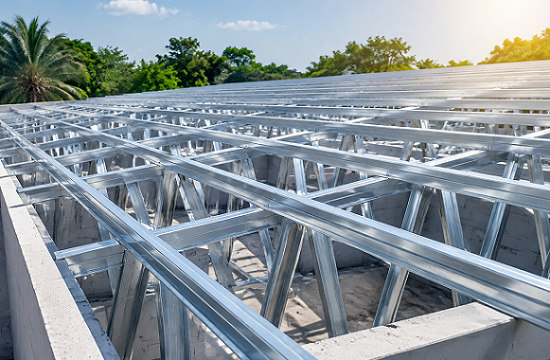
Bolt system roofing is a roof installation method that uses mechanical fasteners, such as bolts or screws, at designated connection points. These fasteners secure metal roofing sheets to the supporting framework, helping the roof remain stable and strong during use.
In this system, the bolts are typically installed according to the roofing profile design, frame spacing, roof pitch, and structural load requirements. The fastening components must be selected carefully so that each connection performs optimally and helps reduce the risk of problems such as loose fasteners or leaks at certain points.
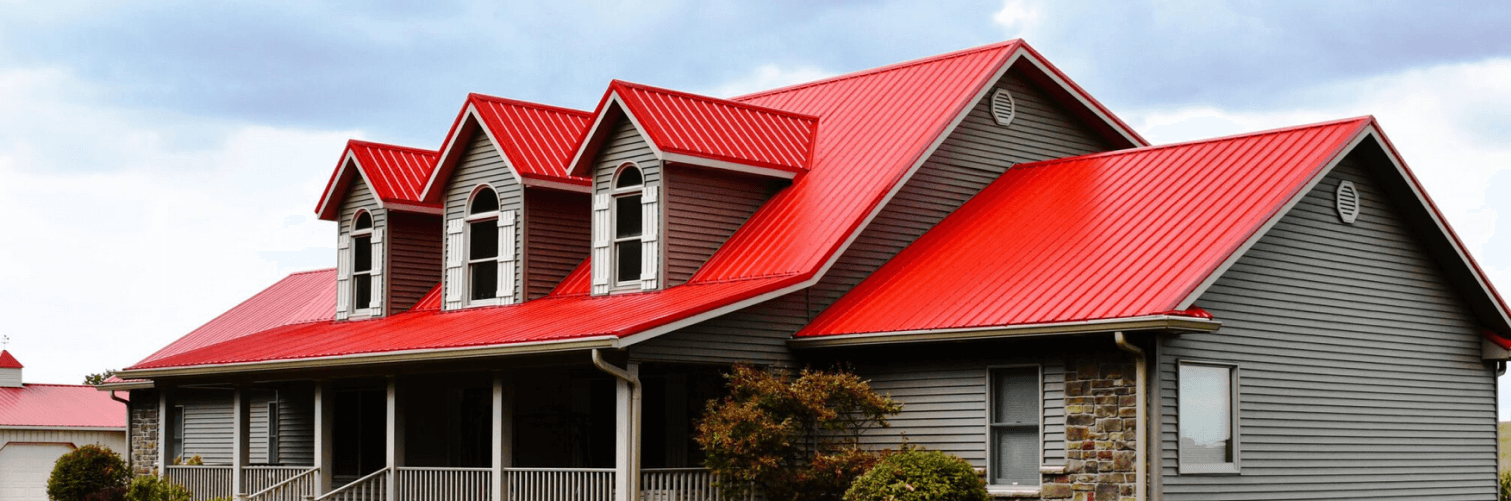
Bolt systems are widely used in various types of buildings, including residential properties, shop houses, warehouses, industrial facilities, factories, commercial buildings, and public spaces. They are also suitable for metal roofing projects that require ease of maintenance and long-term flexibility.
Unlike welded connections, which are permanent, bolt systems allow certain components to be removed, repaired, or replaced without requiring extensive dismantling. This advantage is one of the main reasons bolt systems are widely considered for roofing applications.
Basic Differences Between Bolt Systems and Welded Systems
A welded system works by applying high temperatures to join two metal components. During welding, the material around the connection is heated until the two metal sections can be fused together.
This method creates a strong and permanent connection. For this reason, welding is commonly used for steel structures, heavy frames, or components that are not designed to be dismantled later.
A bolt system, on the other hand, uses bolts and other mechanical fastening components. The connections can be tightened, inspected, or removed as required. Because the installation process does not involve high temperatures, it is more suitable for roofing materials that require careful handling.
In roofing applications, bolted connections provide added value because metal roofs are continuously exposed to temperature changes. Sunlight, rain, wind, and variations between daytime and nighttime temperatures can cause the material to expand and contract. A properly designed connection system helps the roof remain stable under these conditions.
Advantages of Bolt System Roofing Over Welded Systems
1. No High Heat That Could Affect the Material
One of the main advantages of bolt system roofing is that it does not require the high-temperature process used in welding. This is important because metal roofing materials often have protective coatings that must remain intact to perform effectively.
In welded systems, concentrated heat can affect the area surrounding the connection. If the process is not carried out correctly, it may cause discoloration, slight deformation, or damage to the material’s surface.
A bolt system helps minimize these risks because the connection is made mechanically. The roofing sheets are not exposed to high temperatures, allowing their shape and surface condition to remain better protected during installation.
2. Greater Flexibility for Thermal Expansion and Contraction
Metal roofing expands when exposed to heat and contracts as temperatures decrease. This is a natural characteristic of metal and must be considered when designing a roofing system.
A bolt system offers greater flexibility because the connections can be designed to accommodate material movement. With proper planning, the bolts help keep the roofing sheets stable without creating excessive stress at specific points.
In contrast, welded systems are more rigid and permanent. Under certain conditions, an overly rigid connection may concentrate stress caused by temperature changes in particular areas. If the system is not designed properly, this can increase the risk of cracking or deformation around the connection.
3. Easier Routine Maintenance
Another advantage of bolt system roofing is ease of maintenance. Bolted connections can be visually inspected to check the tightness of the fasteners, the condition of the washers, and any potential issues at the connection points.
When a bolt begins to loosen, repairs can be carried out relatively easily by retightening it. If a component needs to be replaced, the work can also be completed without dismantling the entire roof section.
This differs from a welded system. When a welded connection develops a problem, the repair process may require additional work such as cutting, rewelding, and refinishing the surrounding area. This process can be more complex and time-consuming.
For buildings such as warehouses, factories, logistics facilities, or commercial properties that depend on smooth daily operations, easier maintenance is an important advantage.
4. Easier Roof Replacement and Renovation
A building’s function may change over time. A warehouse may need to be expanded, a commercial building may require renovation, or certain roof sections may need to be adjusted to meet new requirements.
A bolt system provides flexibility during these changes. Roofing components can be removed or replaced in a more targeted manner without disrupting the entire system. This helps reduce unnecessary dismantling work.
Welded systems are generally more difficult to modify because their connections are permanent. Making changes usually requires cutting the existing welds and creating new connections. In addition to taking more time, this work may also affect surrounding components.
With a bolt system, renovation projects can be carried out more adaptively. Building owners have greater flexibility to develop or modify their properties without replacing the entire roofing system.
5. Helps Maintain a Neat Roof Appearance
Metal roofing does more than protect a building from heat and rain. In many projects, the roof also contributes to the overall architectural appearance of the building.
A bolt system can help create a cleaner and more organized installation when applied according to the design and specifications. Each connection point can be planned systematically, allowing the roofing sheets to maintain a consistent appearance.
Welding, on the other hand, may create sparks, heat marks, or changes in the area surrounding the connection. These effects can influence the appearance of the material if they are not managed properly.
For buildings that prioritize a professional, modern, and neat appearance, a bolt system can be an attractive choice. It supports an organized installation with minimal visual disruption to the roof surface.
6. Reduces the Risk of Metal Sheet Deformation
The high temperatures generated during welding can affect the shape of metal materials. In certain conditions, the heat-affected area may deform or become slightly curved, especially when working with materials that are sensitive to thermal changes.
In roofing applications, even minor changes in shape can affect the appearance and alignment of the roof. Deformation may also influence sheet overlaps or the position of other connection points.
A bolt system does not involve high temperatures, helping minimize the risk of deformation during the connection process. The metal roofing sheets can retain their original profiles and shapes according to the initial design.
This is especially important for projects that use specific metal roofing profiles and require a uniform and precise appearance.
7. More Practical for Phased Construction Projects
Not every construction project is completed in a single phase. Some buildings are developed gradually according to operational requirements, available budgets, or future business expansion plans.
A bolt system supports phased construction because the connections can be adjusted when the building is expanded. Additional roof areas or the replacement of certain sections can be completed more flexibly without altering the entire system.
This gives building owners an advantage when planning for future expansion. The roof can be designed not only for current requirements, but also as part of a long-term development plan.
Important Considerations When Using Bolt System Roofing
Although bolt systems offer many advantages, the final result still depends heavily on proper planning and material selection. Several factors must be considered, including the type of roofing profile, material thickness, roof pitch, spacing between supporting structures, and the types of bolts and washers used.
Bolts should not be selected carelessly. Roofing fasteners must be suitable for the specific application so that they can provide optimal connection strength. The use of inappropriate fastening components may increase the risk of leaks, loose connections, or damage to the roofing sheets.
Environmental conditions should also be taken into account. Buildings located in coastal areas, industrial zones, regions with high rainfall, or locations frequently exposed to strong winds require more specific material and roofing system planning.
The metal roofing material itself should also be of good quality to provide long-term protection. The right material can help shield the building from weather exposure while supporting a neat and attractive architectural appearance.
Bolt Systems for FUMIRA Metal Roofing
FUMIRA provides a range of Roofing, Walling & Ceiling products that can be installed using several systems, including Bolt System, Boltless System, and Hidden Screw. These installation systems can be selected according to the functional requirements of the building, its architectural design, and the characteristics of the project.
For metal roofing applications, FUMIRA uses 100% zinc material. This material can be considered for projects that require roofing with strong characteristics, a neat appearance, and suitability for a wide range of building applications.
The use of a bolt system with FUMIRA metal roofing can help create a more flexible and manageable roofing solution. It supports buildings that require easier maintenance access, component replacement options, and a more adaptable renovation process.
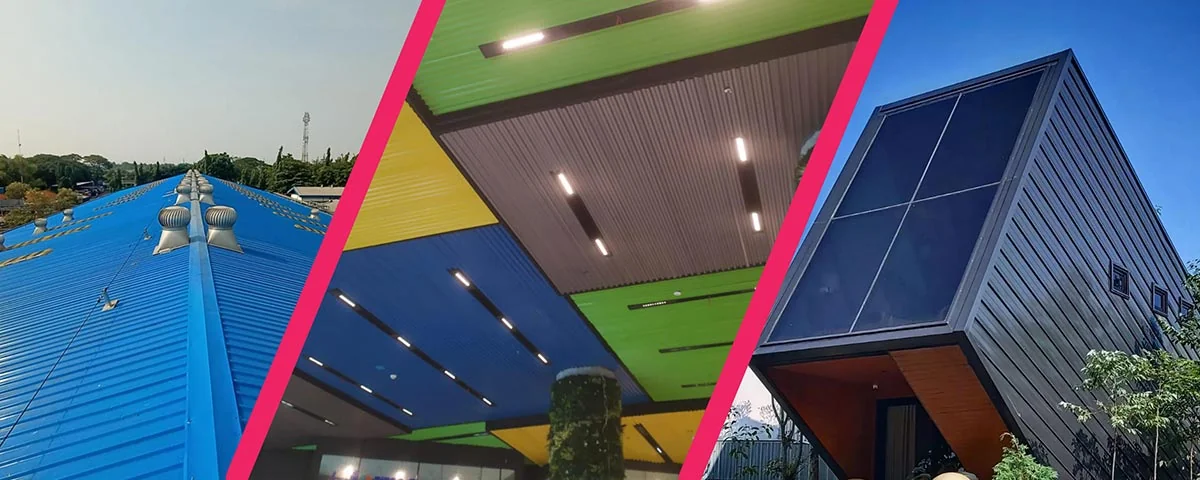
A variety of profiles and colors also allows the roof design to be adjusted to suit the character of the building. Whether for residential properties, commercial spaces, warehouses, factories, or other facilities, selecting the right material and connection system can help deliver a more optimal final result.
Conclusion
Bolt system roofing offers several advantages over welded systems for metal roofing applications. It does not require high temperatures, provides greater flexibility in accommodating material expansion, simplifies maintenance, supports component replacement, and helps preserve the roof’s appearance over the long term.
Welded systems continue to play an important role in certain structural steel applications. However, for roofing applications that require flexibility, efficiency, and ease of maintenance, a bolt system is generally the more relevant choice.
FUMIRA is one of Indonesia’s largest galvanized steel sheet manufacturers and has been operating since 1970. The name FUMIRA was derived from the first two letters of the names of its three original shareholders: Fuji Steel, Mitsui Co. Ltd., and Ragam Logam, a subsidiary of the Argo Manunggal Group.
With decades of experience in the galvanized steel industry and a diverse range of Roofing, Walling & Ceiling products, FUMIRA can serve as a material reference for building projects that prioritize strength, neat appearance, and long-term durability.